
7 hr
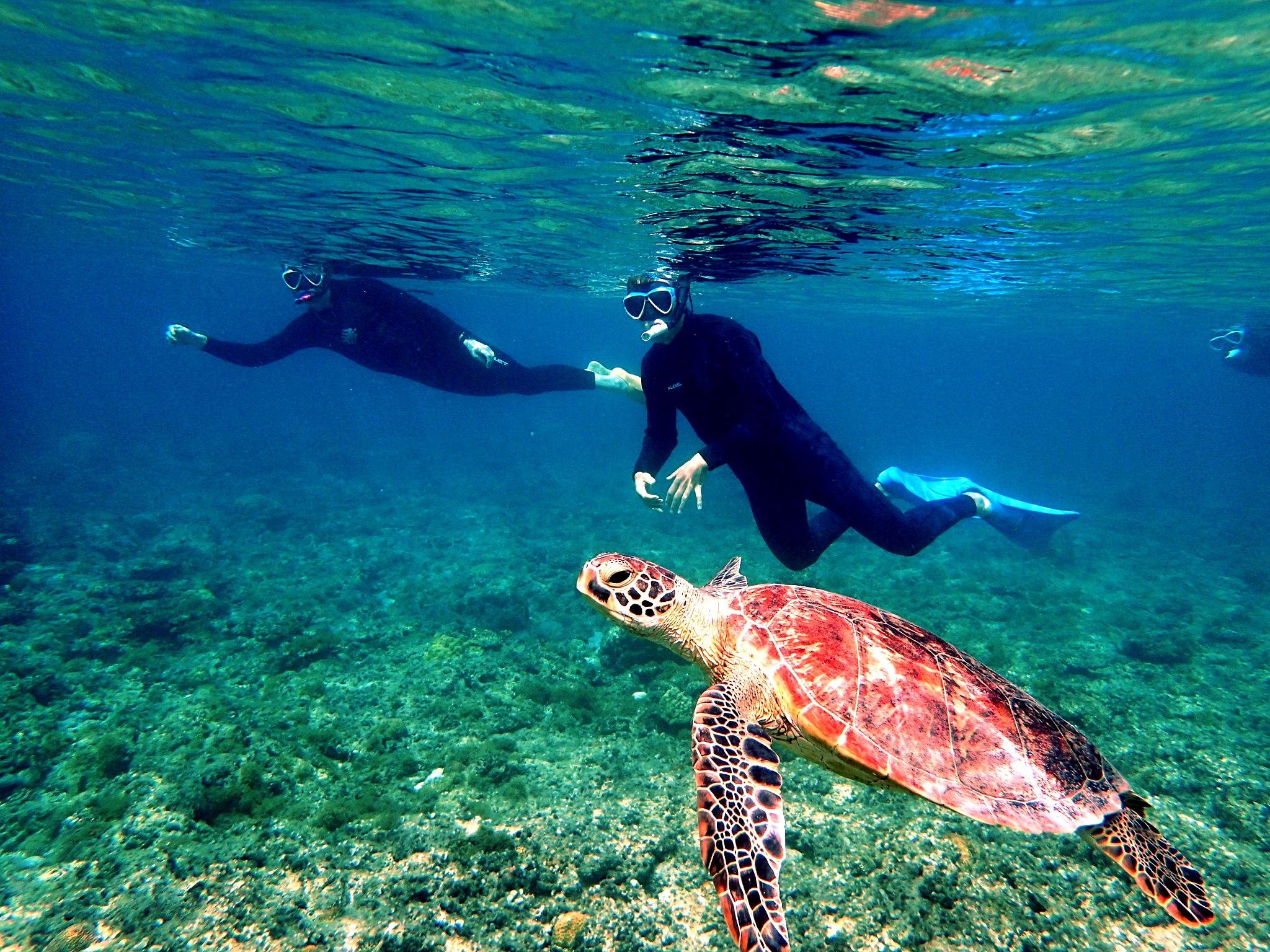
Kerama Islands Snorkeling & Sea Turtle Search from Naha
Full-day boat adventure exploring pristine coral reefs and hunting for sea turtles in crystal waters
Reserve
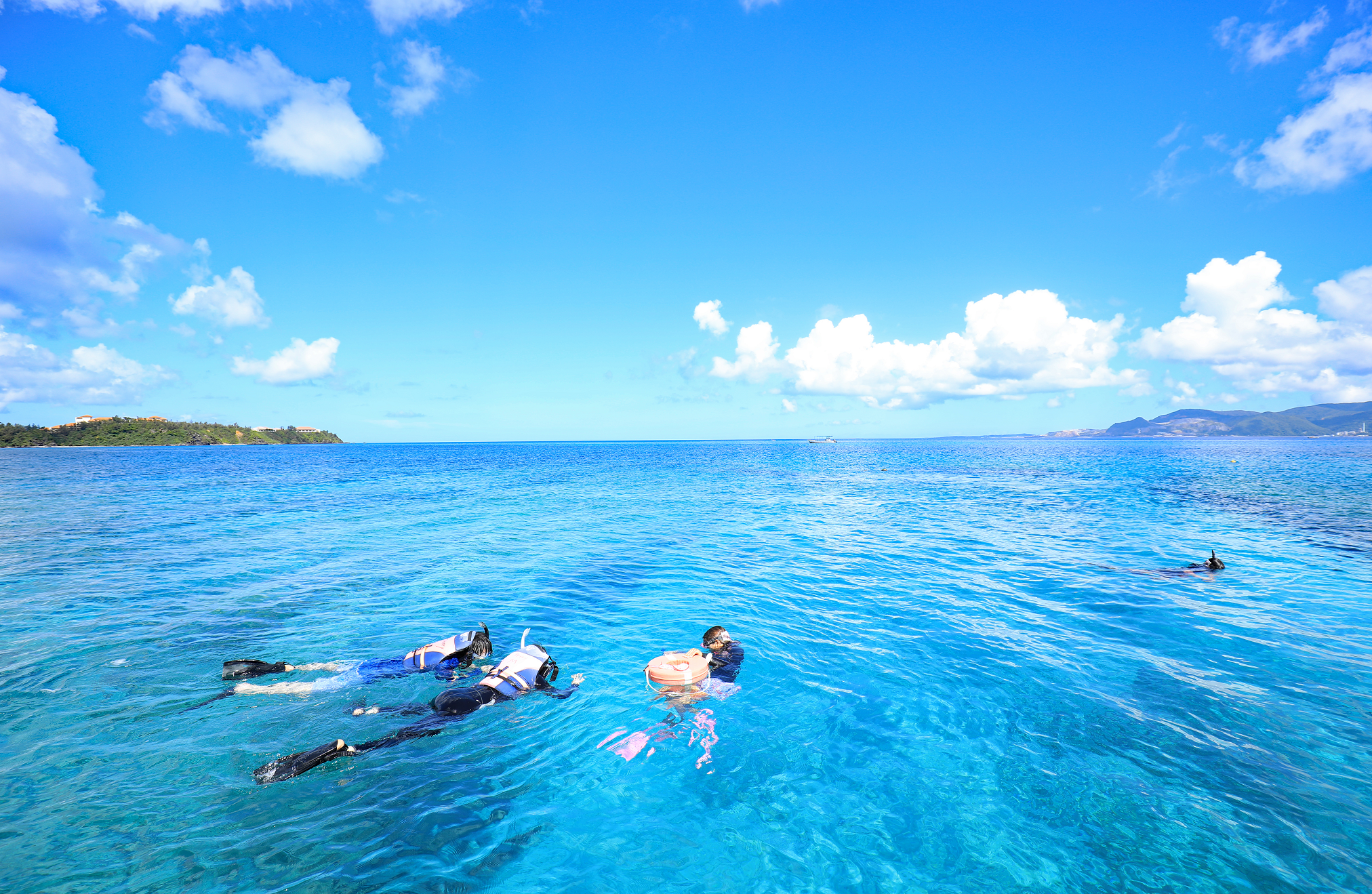
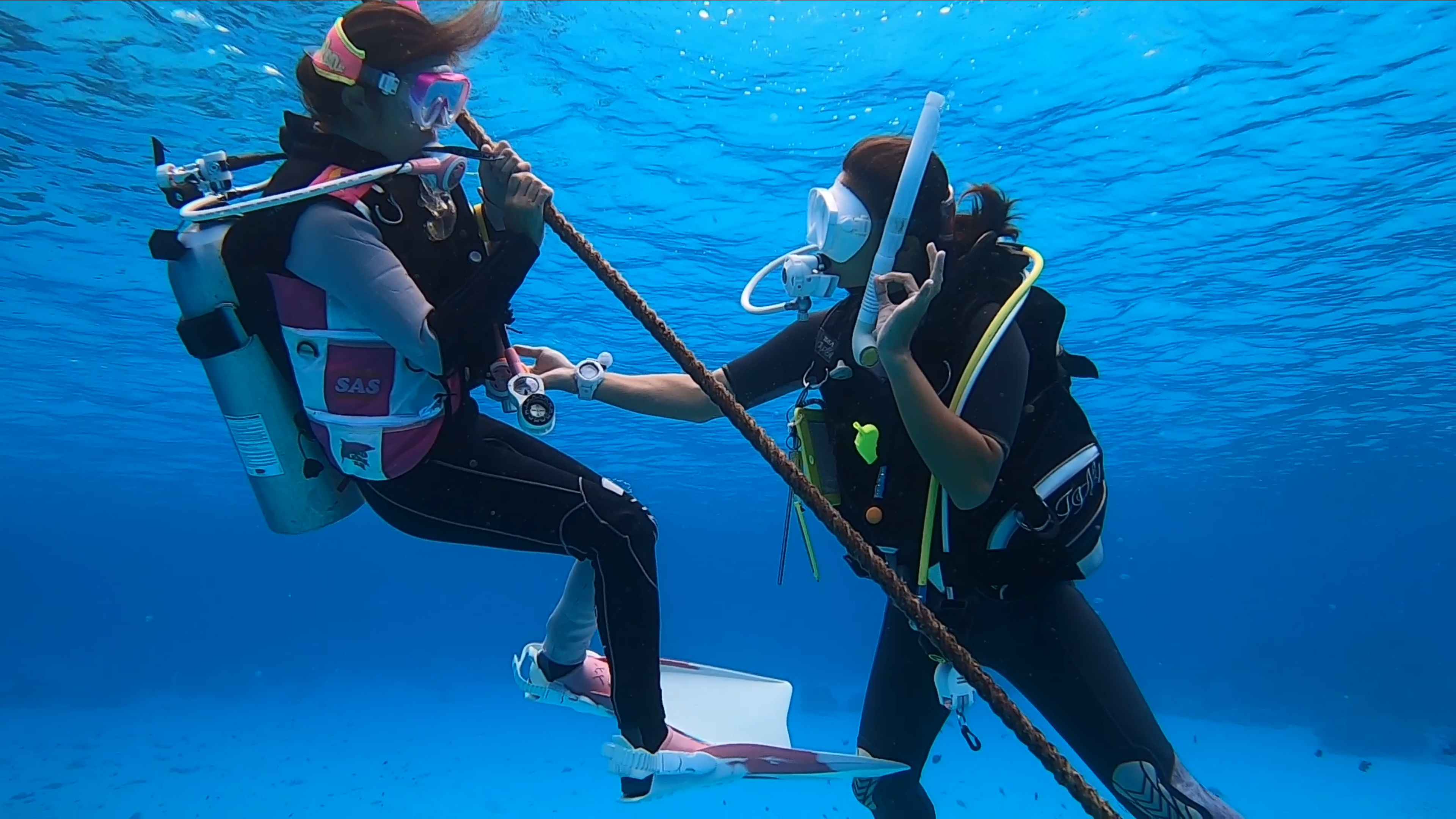
Hand-picked by our editors — only the best 5 dive and snorkel experiences from 22 reviewed.
Verified partners for every tour, free cancellation where available, and instant confirmation on every booking.
7 hr
Full-day boat adventure exploring pristine coral reefs and hunting for sea turtles in crystal waters
Reserve
9 hr
Full-day coral reef exploration with marine life encounters, two snorkel sites, and included lunch
Reserve
8 hr
Discover Okinawa's underwater paradise with guided diving, snorkeling at multiple sites, and a full day at sea.
ReservePrices from verified partners. Availability updates in real time at checkout. Free cancellation policies apply where shown.
The landmarks, rooms, and views travelers on this tour remember — all visible on a single visit.
Known for Aharen Beach, this site features vast coral colonies and clear shallow water. It is one of the largest islands in the chain.
Renowned for high density of sea turtles and vibrant reef fish populations. The island maintains a peaceful atmosphere for visitors.
Offers unique underwater topography and strong currents for experienced divers. It serves as a quieter alternative for wildlife photography.
Located closer to Naha, this island is a popular spot for quick trips and colorful soft corals. It is ideal for beginner divers.
A small, uninhabited island with a pristine sandy beach surrounded by reefs. It provides a classic tropical diving experience.
They complement each other, though travelers who prioritize infrastructure prefer kerama islands diving from naha tours, while those seeking immersion find an overnight stay more rewarding.
| Feature | Top pick Naha Boat Tours | Overnight Island Stay |
|---|---|---|
Ease of transport |
High (fixed boat schedule) | Low (requires ferry transfer) |
Cost |
Moderate (all-inclusive day rate) | High (separate accommodation and gear) |
Access to shore-diving sites |
Limited (boat focus) | High (direct beach access) |
Flexibility |
Fixed departure times | High (independent schedule) |
Equipment rental logistics |
Included with kerama islands diving from naha tickets | Requires local shop coordination |
Arrival recommendation |
07:00–09:00 | Depends on ferry schedule |
| See tickets → |
Verdict: Opt for a kerama islands diving from naha tour if you require simple logistics and efficient transport, or choose an overnight stay to enjoy extended coral reef access.
Choose your ticket, select your date, and reserve in under two minutes. Secure checkout handled by our verified partner.
Instant confirmation by email, with a mobile voucher you can save offline. No printing, no queuing at a collection desk.
Arrive at the entrance, show your voucher on your phone, and walk in. Most tickets include priority or skip-the-line access.
Practical details for your visit straight from our verified partners — hours, access, rules, and how to get there.
3-25-1 Tomari, Naha, Okinawa
Main hub for most boat departures.
Rental cars can be parked at Tomari Port near the terminals.
Standard taxi service from Naha Airport to the port.
Wear comfortable swimwear and quick-dry clothing for kerama islands diving from naha tours. A rash guard is recommended for sun protection and minor abrasions.
Pack light, as space on diving vessels is limited. Secure valuables in a waterproof dry bag during your kerama islands diving from naha excursion.
Underwater cameras are encouraged for capturing local marine life. Follow your guide's instructions regarding flash usage near sensitive coral reefs.
Accessibility for those with mobility challenges depends on the specific boat operator's vessel equipment. Verify lift or ramp availability before booking your kerama islands diving from naha ticket.
Protect mobile phones in waterproof cases during boat transit. Signal is strong near Naha but can be intermittent once inside the deeper islands.
Many operators welcome families, though minimum age requirements for scuba diving typically start at 10 or 12 years. Snorkeling is widely accessible for children when supervised.
Most tours provide drinking water and sometimes lunch. Check your booking details to see if refreshments are included in your kerama islands diving from naha tour.
Pets are generally not permitted on group diving charters. Please arrange pet care in Naha prior to your departure.
Always follow the instructions of the boat captain and diving guides. Marine conservation laws prohibit touching coral or feeding wildlife.
Best time to go, insider tips, nearby landmarks, and the cancellation fine print — flip through to skim what matters to you.
How crowds, weather, and events shift across the year.
March to May offers pleasant temperatures around 23°C. This is a popular time for spotting sea turtles.
Small details that turn a good visit into a great one.
Drink plenty of water before and after diving to prevent dehydration. The sun in Okinawa is intense throughout the year.
Use only reef-safe sunscreen to help preserve the archipelago's delicate ecosystem. Avoid touching any marine organisms during your dive.
Book your experience in advance to ensure availability during peak summer weekends. Early morning departures offer the clearest water conditions.
Non-bookable sights within a short walk — free to visit, easy to pair.
A traditional Chinese-style garden located in Naha.
Flexible, no hidden fees.
Most operators require cancellation at least 24 to 48 hours in advance for a full refund. As there is a 0 JPY entrance fee for the national park area, these charges reflect tour operator service costs.
Hand-picked options within walking distance — pick a district for vibe, or a specific hotel for convenience.
Numerous hotels located within walking distance of the port.
The Kerama Islands were designated Japan's 31st national park in 2014, the first marine park added to the roster in 37 years. Keramashoto National Park protects 248 species of coral across 90.6 square kilometers, a density rarely matched in temperate Pacific waters. The archipelago sits 40 kilometers west of Naha, close enough for daily boat transit yet isolated enough that visibility routinely exceeds 50 meters — a clarity locals call Kerama Blue. The transparent water owes its character to the Kuroshio Current, which sweeps nutrient-rich water northward from the Philippines, sustaining hard and soft corals that spawn each summer between June and August. Green sea turtles nest on Tokashiki and Zamami beaches from May through October, and juvenile turtles forage in shallow seagrass beds accessible to snorkelers. Manta rays patrol the outer reef channels between April and November, while humpback whales winter in the deep straits from January through March, their songs audible to divers at depth. Most kerama islands diving from naha tours depart Tomari Port aboard aluminum-hulled dive boats capable of the 90-minute crossing in moderate swell. Operators favor three core dive sites: Unten off Tokashiki's northern coast, a wall that drops 40 meters and hosts schools of barracuda and Napoleon wrasse; Takara Reef near Zamami, a shallow table coral garden ideal for introductory dives; and Nishihama Channel, a current-prone drift dive frequented by reef sharks and eagle rays. Water temperature ranges from 21°C in February to 29°C in August, with thermoclines appearing below 18 meters during spring upwelling. Certified divers typically complete two tank dives per excursion, with surface intervals spent at anchor in sheltered bays. Introductory programs begin with a shallow-water skills session in three to five meters before progressing to guided reef exploration at eight to twelve meters. Equipment is standardized across operators — 12-liter aluminum cylinders, jacket-style BCDs, and yoke-regulator setups — though seasoned divers often bring their own computers and dive lights for exploring overhangs and crevices where nocturnal species rest during daylight hours.
"Visibility routinely exceeds 50 meters — a clarity locals call Kerama Blue."
A step-by-step walkthrough of the visit — what you'll see, how long each stage takes, and the details that matter.
You board at Tomari Port before dawn, the city's harbor lights still reflecting off black water. The dive boat clears the breakwater by 07:30, and within twenty minutes Naha's skyline fades into haze. The Kerama archipelago materializes as a chain of green ridges, the nearest island still an hour away. You anchor off Tokashiki's north shore by 09:00. The briefing is methodical: entry point, maximum depth, hand signals, turtle protocol. You step off the swim platform into water so clear the anchor chain is visible 15 meters below, each link distinct. The descent is slow, equalization every two meters, until you settle onto white sand at 12 meters. A green sea turtle browses a coral bommie three meters ahead, oblivious. Your guide signals: watch, don't approach. The turtle surfaces for air, then returns to graze. The second dive follows a reef wall. You drop to 18 meters and drift east with the current, scanning crevices for moray eels and octopus. A school of blue fusiliers moves as one body, parting around you, then reforming. At 40 minutes your guide signals ascent. You surface 200 meters from the boat, inflate your BCD, and swim back through light chop. Lunch is bento boxes eaten at anchor, the boat rocking gently in the bay. The return crossing to Naha begins at 14:30, the water calmer now, islands receding into blue distance.
Diving boat departures generally occur throughout the day, though you must arrive between 07:00–09:00. The Keramashoto National Park is open from 00:00–23:59 daily.
Yes, there is a 0 JPY entrance fee for the national park area.
The recommended arrival window for all tours departing Naha is 07:00–09:00.
Yes, children are often welcome, but check age limits for scuba programs versus snorkeling.
Most operators include rental gear in your kerama islands diving from naha booking, though you may bring your own.
Yes, sea turtles are frequently sighted in the waters of the Kerama Islands.
Cancellation policies are set by individual operators and typically require 24-48 hours notice.
The water is warm and inviting in summer, with excellent visibility for underwater activities.
Yes, you can use cameras, but always follow your guide's instructions near the reef.
Check your tour description, as some include lunch and water while others require you to bring your own.