
9 hr 30 min
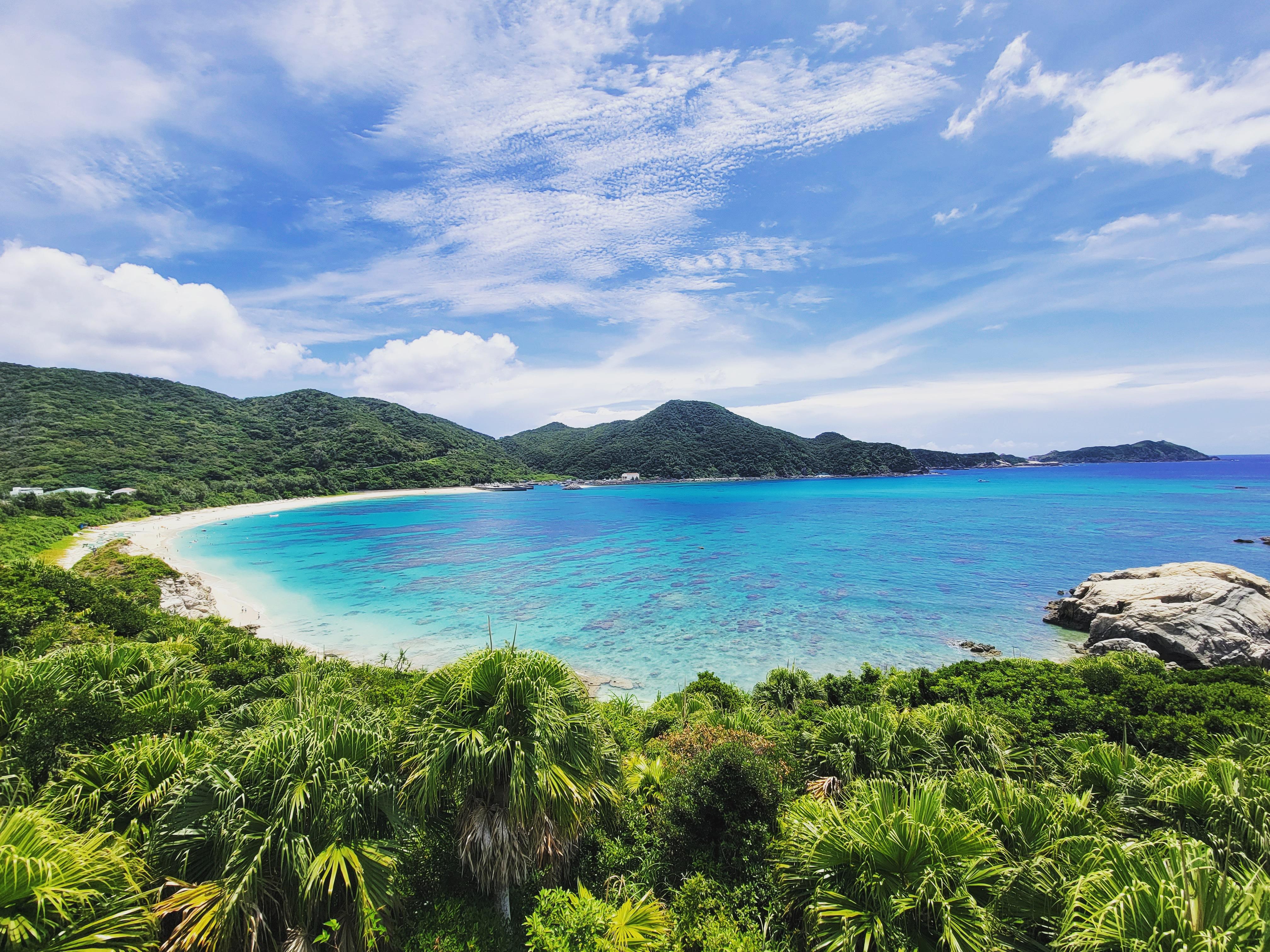
Tokashiki Island Beach Escape from Naha
Hassle-free day trip to pristine Kerama beaches with transport, transfers, and lunch all sorted
Reserve
Hand-picked by our editors — only the best 5 marine experiences from 18 reviewed.
Verified partners for every tour, free cancellation where available, and instant confirmation on every booking.
9 hr 30 min
Hassle-free day trip to pristine Kerama beaches with transport, transfers, and lunch all sorted
Reserve
7 hr
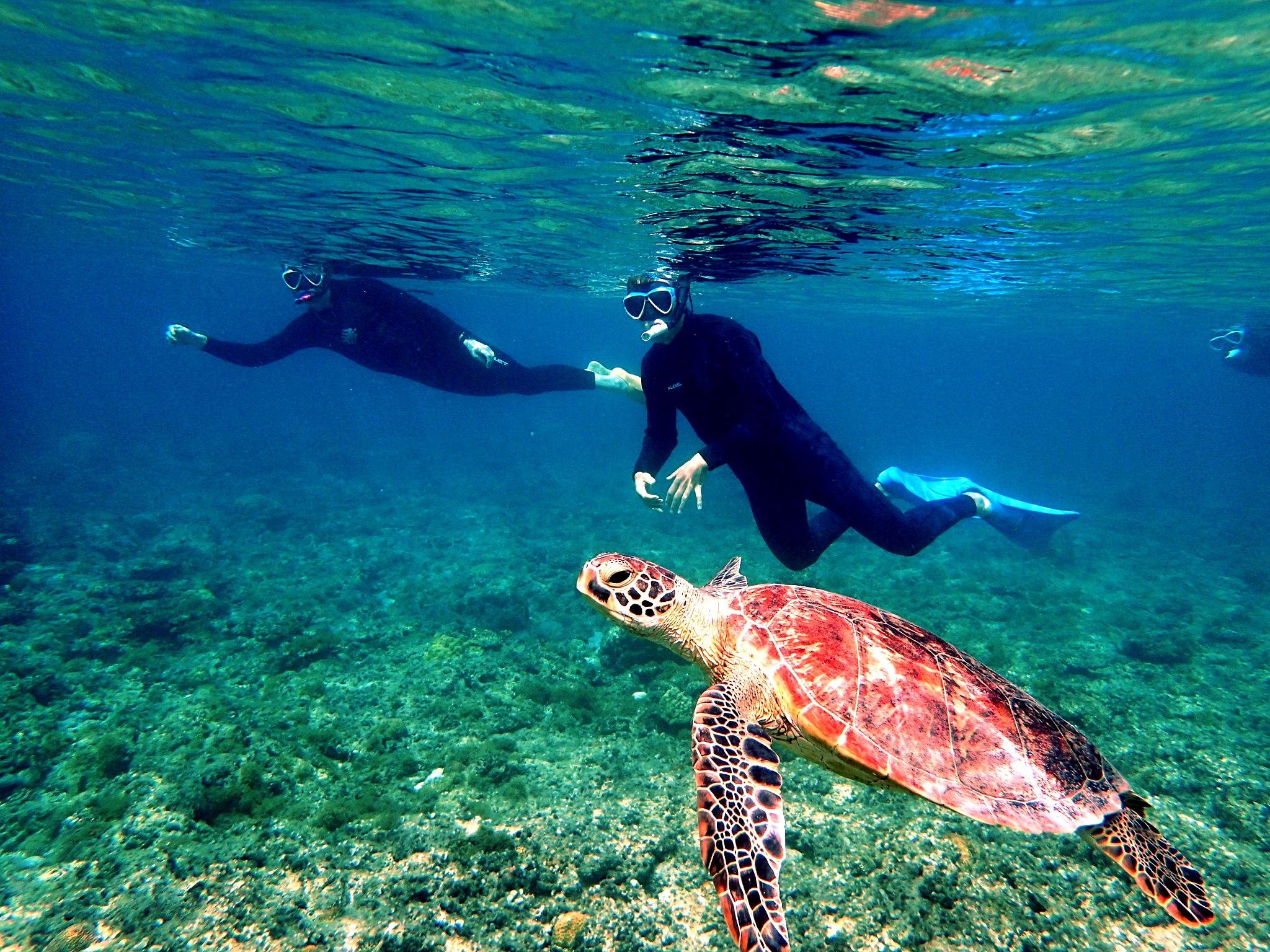
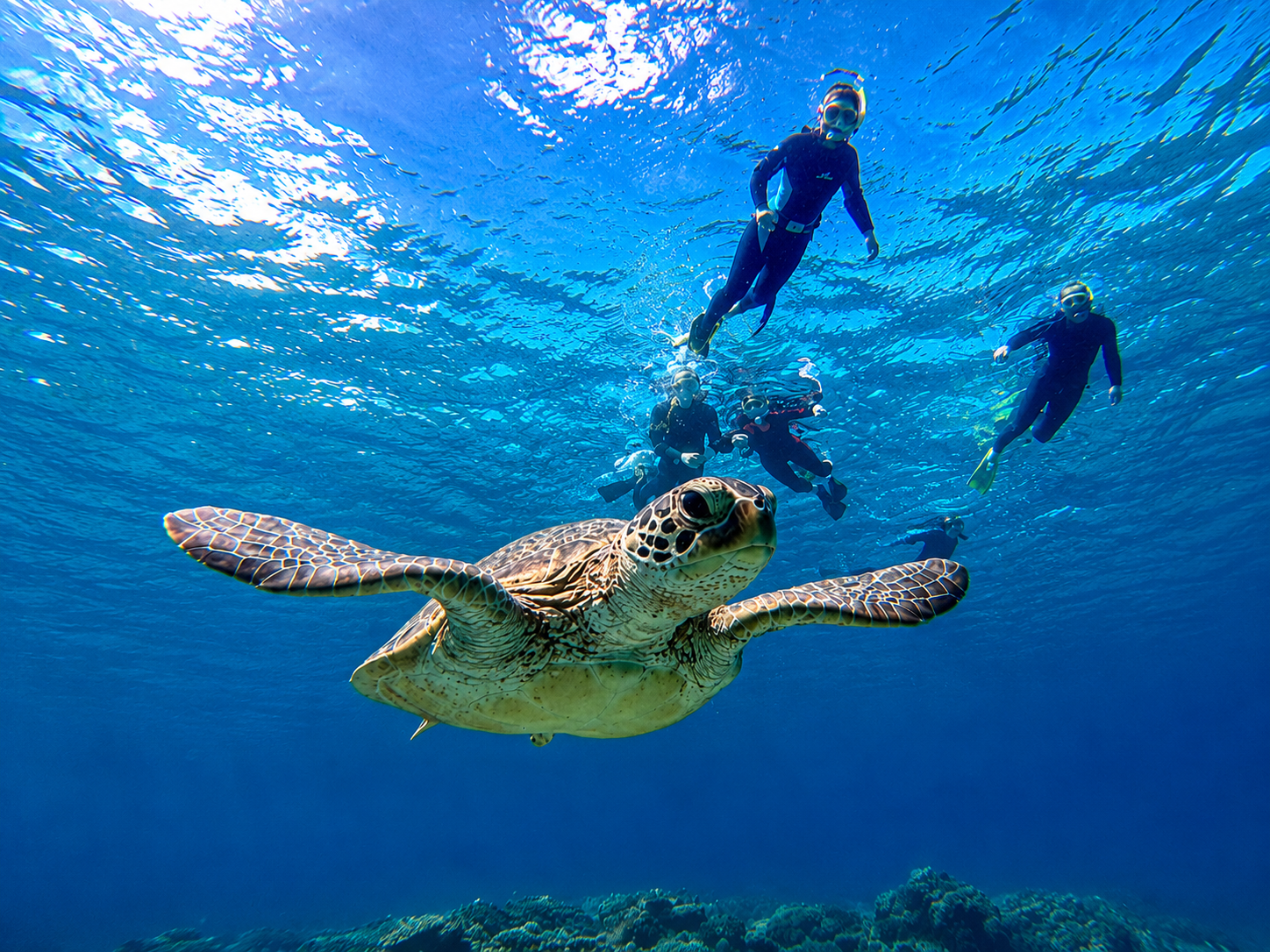
Hunt for sea turtles and explore vibrant coral reefs across three pristine Kerama snorkeling sites
Reserve
7 hr
Explore crystal-clear waters and vibrant coral reefs across multiple sites in protected Kerama National Park
ReservePrices from verified partners. Availability updates in real time at checkout. Free cancellation policies apply where shown.
The landmarks, rooms, and views travelers on this tour remember — all visible on a single visit.
The water clarity often exceeds 30 meters, providing high visibility for divers. This is the primary feature of every kerama island dive shop tour.
These reefs house over 200 species of coral and diverse marine life. Divers can explore these ecosystems during their kerama island dive shop experience.
Staying on the islands provides immediate access to coral reefs, while Naha-based excursions offer maximum convenience for those prioritizing Okinawa mainland proximity. Selecting a kerama island dive shop allows for deeper immersion in local marine life compared to the more commuter-focused approach of Naha operators.
| Feature | Top pick Island-Based Diving | Naha Day Tours |
|---|---|---|
Logistics |
Stay on-island | Ferry from Naha |
Total travel time |
Low impact | High impact (long boat transit) |
Access to remote sites |
Immediate vicinity access | Limited by transit schedule |
Pacing of the day |
Flexible morning start | Fixed boat departure times |
On-island experience |
Immersive village atmosphere | Urban accommodation with commute |
| See tickets → |
Verdict: Opting for kerama island dive shop tours provides a relaxed pace, whereas choosing kerama island dive shop tickets for day trips from Naha is superior for travelers who need to manage their kerama island dive shop tour around city-center commitments.
Choose your ticket, select your date, and reserve in under two minutes. Secure checkout handled by our verified partner.
Instant confirmation by email, with a mobile voucher you can save offline. No printing, no queuing at a collection desk.
Arrive at the entrance, show your voucher on your phone, and walk in. Most tickets include priority or skip-the-line access.
Practical details for your visit straight from our verified partners — hours, access, rules, and how to get there.
Kerama Islands, Okinawa, Japan
Check-in desk for all kerama island dive shop tickets
Take the ferry from Naha to reach the local port.
Wear comfortable swimwear and quick-dry clothing suitable for a kerama island dive shop boat trip. Bring a towel and a change of clothes for the return journey.
Use small, waterproof dry bags for personal items while participating in kerama island dive shop activities. Large hard-shell suitcases are not permitted on dive boats.
Underwater cameras are allowed for your kerama island dive shop tour. Please ensure all camera gear is secured with a lanyard to protect the coral reefs.
Vessels are accessible for most travelers, though guests should be able to step onto moving platforms. Please inform the kerama island dive shop about mobility requirements in advance.
Waterproof phone cases are recommended for keeping devices dry during kerama island dive shop excursions. Reception may be limited once you leave the harbor.
Children must be accompanied by a guardian during all kerama island dive shop tours. Minimum age requirements may apply for scuba certification courses.
Basic water is typically provided, but bringing a reusable bottle for your kerama island dive shop trip is advised. Note that some tours do not include lunch.
Pets are not allowed on dive vessels due to safety and space limitations at this kerama island dive shop. Arrangements must be made before your departure.
Ensure your certification card is available for inspection before boarding any kerama island dive shop vessel. Always follow the instructions of your dive master regarding marine life interaction.
Kerama Islands, Okinawa, Japan
Check-in desk for all kerama island dive shop tickets
Get directionsBest time to go, insider tips, nearby landmarks, and the cancellation fine print — flip through to skim what matters to you.
How crowds, weather, and events shift across the year.
Mild temperatures ideal for boat tours in the Kerama Islands.
Peak visibility for marine life during this kerama island dive shop tour season.
Warm water temperatures persist through October.
Cooler weather with fewer crowds for shore exploration.
Small details that turn a good visit into a great one.
Confirm sizes for your kerama island dive shop gear rental 24 hours prior.
Monitor maritime reports, as your kerama island dive shop boat trip depends on sea conditions.
Drink plenty of water before your kerama island dive shop tour to prevent seasickness.
Apply only reef-safe sunscreen to protect the marine environment.
Secure your kerama island dive shop tickets early during peak summer months.
Non-bookable sights within a short walk — free to visit, easy to pair.
A pristine white sand beach perfect for relaxation after your kerama island dive shop excursion.
Renowned for shallow coral reefs and diverse tropical fish species.
Protects the surrounding marine ecosystem and unique island geography.
Flexible, no hidden fees.
Cancellations requested at least 48 hours in advance are eligible for a full refund. The service fee is 0 JPY for entry to the shop facilities.
Hand-picked options within walking distance — pick a district for vibe, or a specific hotel for convenience.
Simple lodging near the main harbor.
Full-service hotel with beach access.
The Kerama Islands National Park, designated in 2014, protects 3,520 hectares of marine habitat where visibility routinely exceeds thirty-five meters and coral coverage remains among the highest recorded in Japanese waters. Tokashiki and Zamami, the two largest inhabited islands, anchor a scatter of twenty-two islets whose fringing reefs shelter more than two hundred fifty coral species and five resident sea turtle populations. The archipelago sits thirty-five kilometers west of Naha, a ferry crossing that places divers at the edge of the Kuroshio Current's nutrient-rich upwellings within ninety minutes of departure. Local dive operators opened the first commercial shops in the late 1970s, when Okinawa's return to Japanese administration allowed civilian access to waters previously restricted by military control. By the mid-1980s, word of the Kerama Blue—a term coined to describe the water's cobalt transparency—had spread through diving journals, and seasonal visitor numbers began to exceed the islands' combined population of seven hundred. Today, kerama island dive shop services operate year-round, with peak season running from April through October when sea temperatures climb to twenty-eight degrees Celsius and visibility peaks. The Kerama Islands snorkeling adventure departs daily from Tokashiki Port, targeting shallow reefs at Aharen Beach and Tokashiku Beach where green and hawksbill turtles forage in eel grass beds three to eight meters deep. The region's underwater topography varies sharply: Tokashiki's western coast drops into vertical walls that plunge beyond recreational limits, while Zamami's southern bays offer sandy channels and boulder fields suited to macro photography. Dive shops here maintain smaller group sizes than Okinawa's main island operators—typically six to eight divers per boat—and most captains hold Japanese Coast Guard licenses with two decades of site knowledge. Equipment standards align with PADI and NAUI protocols, and rental gear includes full five-millimeter wetsuits issued even in summer months when jellyfish blooms drift through the outer channels. The logbook infrastructure reflects the islands' role as a training ground: more than forty charted dive sites within a six-nautical-mile radius of Tokashiki Port, each cataloged by depth range, current pattern, and seasonal marine life. Conservation measures enacted in 2018 prohibit anchoring within designated coral zones, and all licensed operators now use mooring buoys installed by the Ministry of the Environment. The fee structure remains straightforward—boat dives range from eight thousand to twelve thousand yen depending on tank count and site distance, while guided snorkeling runs four thousand to six thousand yen inclusive of mask, fins, and wetsuit. Multi-day packages reduce per-dive costs and most shops offer logbook certification for completed depth milestones. The Kerama island dive shop ticket model favors advance booking during golden week and August, when same-day availability narrows to standby slots filled by weather cancellations.
"Visibility routinely exceeds thirty-five meters, and coral coverage remains among the highest recorded in Japanese waters."
A step-by-step walkthrough of the visit — what you'll see, how long each stage takes, and the details that matter.
You board the dive boat at Tokashiki Port at eight-fifteen, stepping over coiled mooring lines and stacked weight belts as the captain checks the morning's tide chart. The crew runs through buddy checks on deck—mask seals, regulator purges, buoyancy compensator inflation valves—while the twin outboards push you west past Aharen Beach's crescent. Fifteen minutes offshore, the boat slows above a coral shelf marked by a yellow mooring buoy, and you roll backward into water so clear the anchor line below appears foreshortened, closer than its actual twelve-meter depth. You descend along the mooring, equalizing every two meters, until the reef plateau opens beneath you in terraced coral formations the size of dining tables. A hawksbill turtle pivots near a staghorn thicket, its beak working methodically at a sponge colony, and you fin parallel, maintaining the three-meter distance the briefing specified. The dive master signals toward a cleaning station where a Napoleon wrasse hovers motionless, allowing blue-streak cleaner wrasse to dart across its gill plates. You check your console—eleven meters, twenty-two minutes elapsed, 120 bar remaining—and follow the group along the reef's edge where the bottom drops into open blue. At the safety stop, suspended at five meters beneath the boat's hull, you rotate slowly, tracking a school of pyramid butterflyfish that mills in the current shadow. Back on deck, the crew logs your profile while you towel off, and the boat repositions for a second site before the noon return to port.
The shop is open from 08:00–18:00 daily.
No, there is a 0 JPY entrance fee for accessing shop services.
We recommend arriving between 08:00–09:00 for the best boat departure conditions.
Yes, families are welcome, provided children have proper supervision during the tour.
Yes, you can secure your kerama island dive shop tickets through the official portal.
We offer programs for all levels, but please verify requirements for your specific excursion.
You may cancel your kerama island dive shop tour 48 hours in advance for a full refund.
Yes, full equipment rental is available for your kerama island dive shop visit.
Yes, you can visit local beaches and national park areas nearby after your tour.