Arami
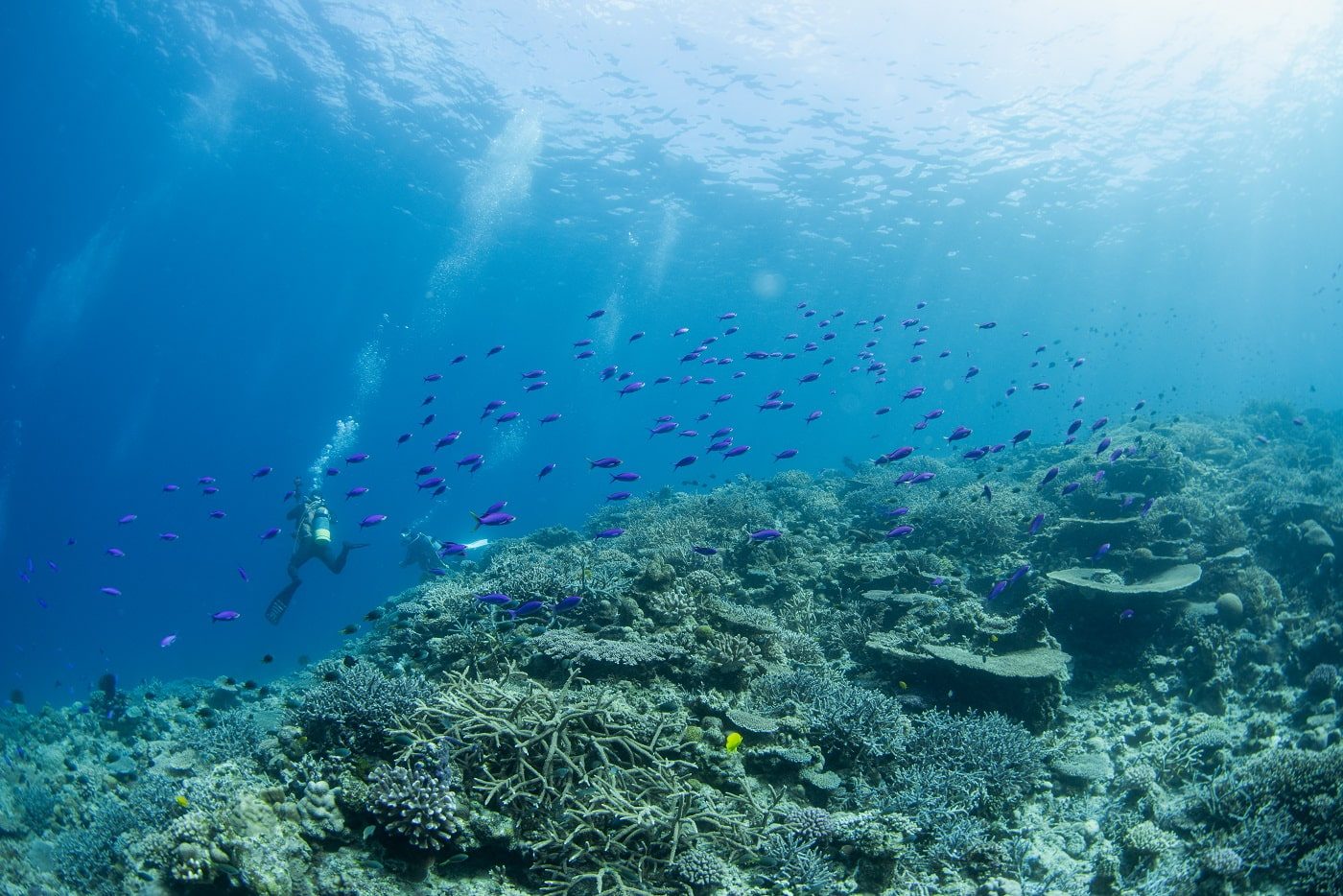
This site features a complex network of coral formations and underwater arches. It is a common location for observing schools of reef fish and occasional white-tip reef sharks.
Explore the archways during slack tide for clear visibility.

The Keramashoto National Park protects more than 50 distinct dive sites scattered across the archipelago's clear subtropical waters. Each site offers different depth profiles, coral formations, and marine encounters. This guide maps the major sites, explains which operators service them, and details what divers can expect at each depth zone.
Quick answer
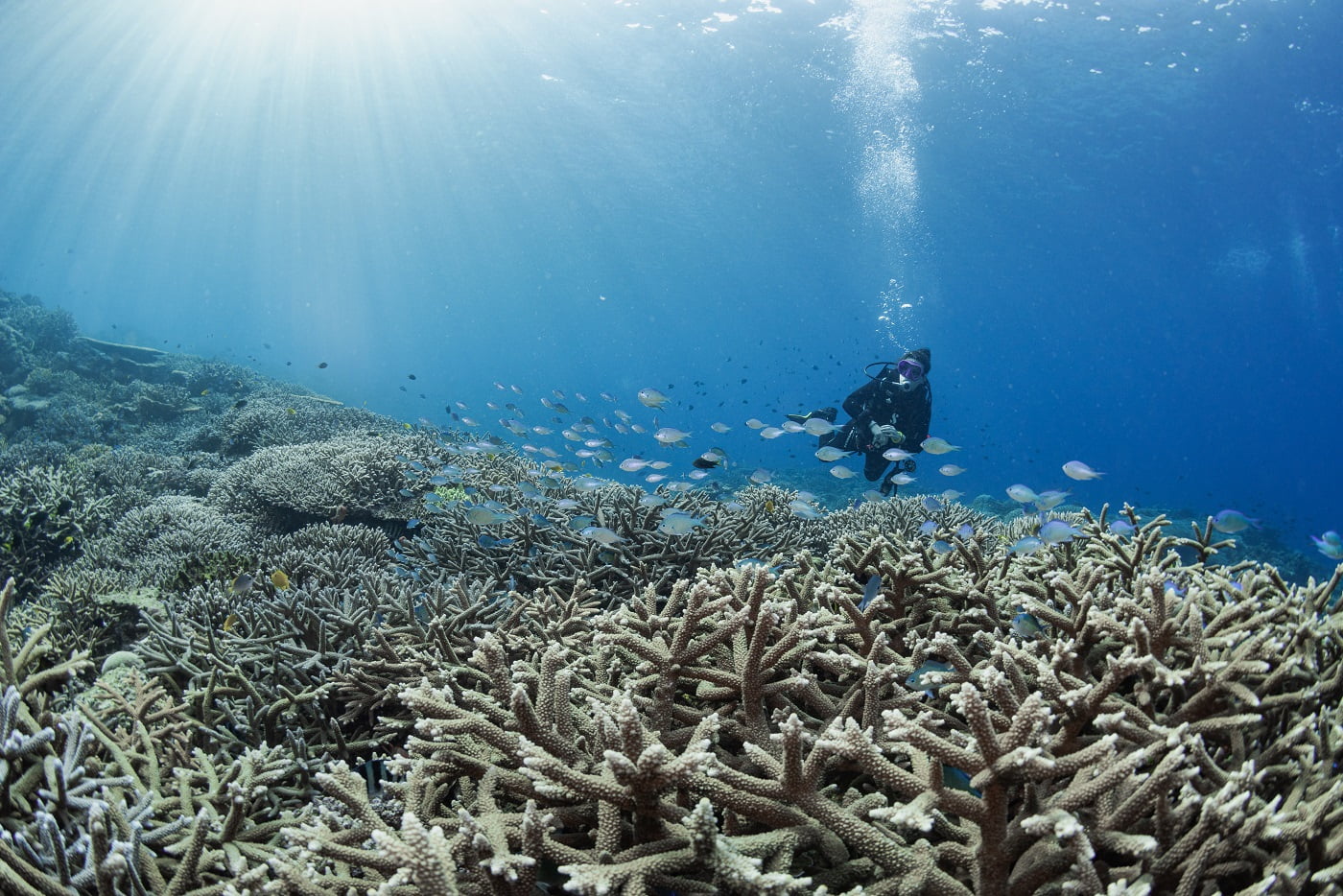
The Kerama Islands host more than 50 documented dive sites, concentrated around Zamami, Tokashiki, and Aka islands. Sites range from shallow 5-meter coral gardens suitable for beginners to advanced wall dives exceeding 40 meters. Most operators run two-tank morning trips departing between 08:00 and 09:00, with afternoon dives available during summer months. Visibility averages 25 to 40 meters year-round, peaking in winter.
The seafloor surrounding the Kerama archipelago drops from shallow reef plateaus into steep walls and sandy channels within a few hundred meters of shore. This topographic variety produces ecosystems that support everything from macro critters in seagrass beds to pelagic hunters patrolling the outer drop-offs. Dive operators have named and cataloged more than 50 individual sites, each with distinct characteristics shaped by exposure, current, and substrate. Zamami Island anchors the western cluster of sites. Gahi no Kakko and Unten Banta lie along the island's northern coast, offering wall dives with soft coral coverage and frequent sightings of green sea turtles. The Twin Rocks formation south of Zamami rises from 30 meters to within 8 meters of the surface, creating a swim-through corridor favored by schools of fusiliers and snapper. Aka Island's eastern shore holds the Hizushi site, a sloping reef where manta rays aggregate during plankton blooms between May and October. Tokashiki Island commands the eastern portion of the park. The运玉森 (Undamasen) site off the southern tip is a drift dive through a channel where currents concentrate nutrients and draw large biomass. Operators schedule this site during slack tide windows to manage the flow. Agenashiku Reef, accessible from Tokashiki Port in under 15 minutes, serves as the primary training site for Open Water certification dives due to its flat sandy bottom at 12 meters and absence of strong current. Access to kerama islands dive sites requires booking through a licensed operator based in Naha, Zamami, or Tokashiki. Day-trip boats from Naha depart Tomari Port as early as 07:30 to reach sites by 09:00, while island-based operators offer shorter transits and more flexible scheduling. The national park imposes no entry fee for divers, but mooring buoy use and environmental conservation fees are included in operator pricing. Winter months from December through March produce the clearest visibility, often exceeding 35 meters, though sea conditions can limit access to exposed western sites.
“The seafloor surrounding the Kerama archipelago drops from shallow reef plateaus into steep walls and sandy channels within a few hundred meters of shore.”
The period from May to October offers the highest water temperatures and optimal visibility for diving in the Kerama Islands. Divers should plan to arrive within the 07:30–15:00 window, as boats depart early to maximize light conditions and site access.
24–26°C, humid
The rainy season brings lower crowds before the peak heat. Visibility remains high despite occasional showers.
27–29°C, clear skies
Peak water temperatures provide comfortable conditions for long dives. Expect increased visitor traffic during this summer window.
24–26°C, mild
Cooler air temperatures and stable sea conditions create a balance for divers. Marine life activity remains consistent as water cools.
—
Early departures between 07:30 and 15:00 avoid midday ferry congestion. These hours provide the clearest water and highest likelihood of sea turtle encounters.
Verdict: For optimal conditions, visit during the shoulder months of May or October, ensuring your boat departure falls within the 07:30–15:00 window.
The Kerama Islands are located west of Okinawa Main Island and are accessible primarily by ferry or high-speed boat from Tomari Port (Tomarin) in Naha. Because dive sites are offshore and require vessel access, coordination with local dive operators is essential to reach specific locations.
High-speed ferry from Tomari Port (Naha) to Zamami or Tokashiki
Ferry from Tomari Port (Naha) to Zamami or Tokashiki
Taxi from Naha Airport to Tomari Port
Plan your arrival within the best arrival window of 07:30–15:00, as day trip boats typically depart early morning to maximize daylight and visibility for diving.
Access to the Kerama Islands sea area is managed by Keramashoto National Park and requires no entrance fee. All costs associated with visiting these sites are service fees charged by private dive operators for boat access, equipment, and guided support.
Verdict: While the sea area itself is free, divers pay varying rates to private operators based on the specific services, equipment needs, and boat charters required for their trip.
The Kerama Islands feature diverse underwater topography, ranging from shallow coral gardens to dramatic drop-offs. These waters are characterized by high visibility and frequent encounters with marine megafauna.
This site features a complex network of coral formations and underwater arches. It is a common location for observing schools of reef fish and occasional white-tip reef sharks.
Explore the archways during slack tide for clear visibility.
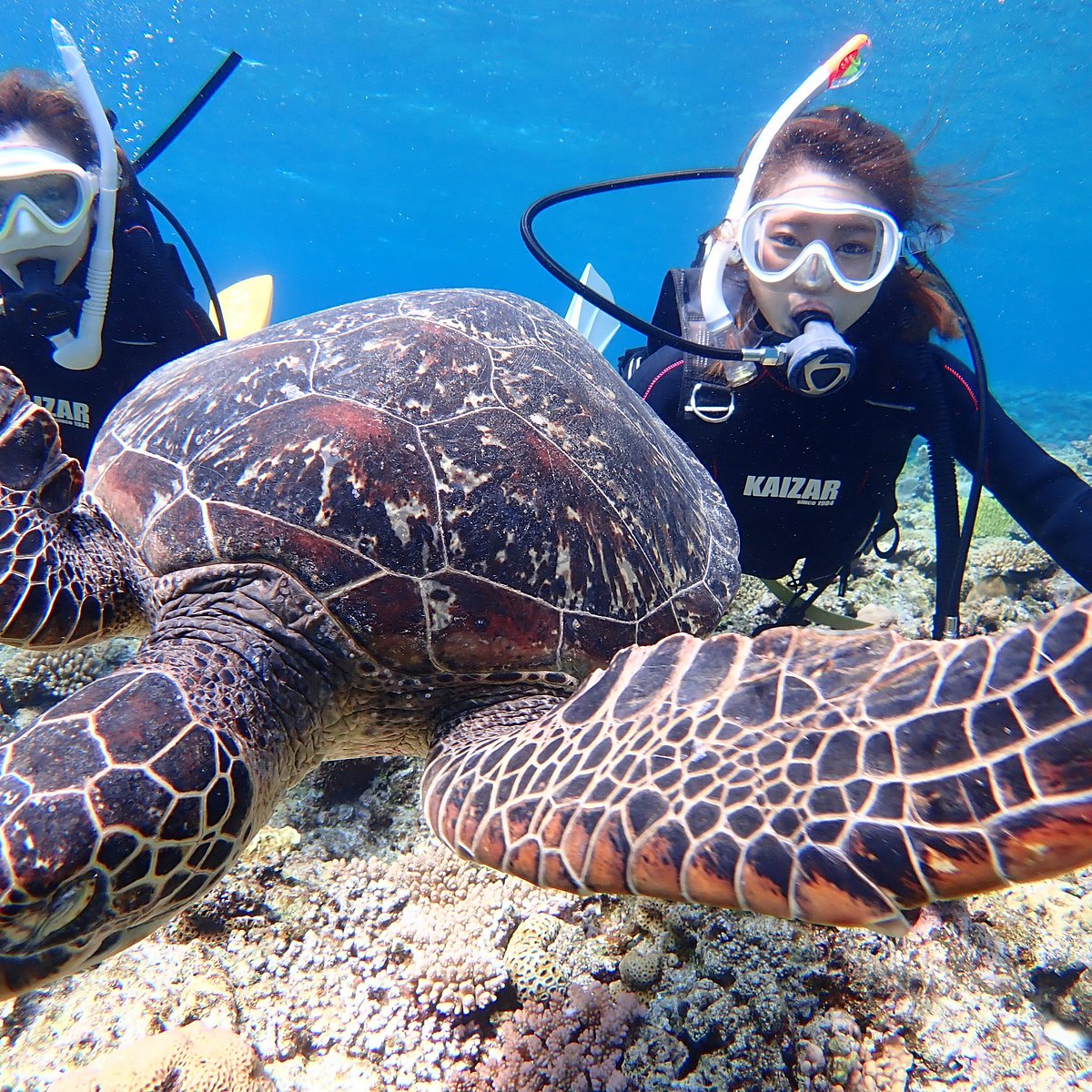
Named for its intricate rock formations, this site provides a maze-like topography to navigate. Divers often find sea turtles resting in the crevices here.
Look for sea turtles tucked into rocky ledges.
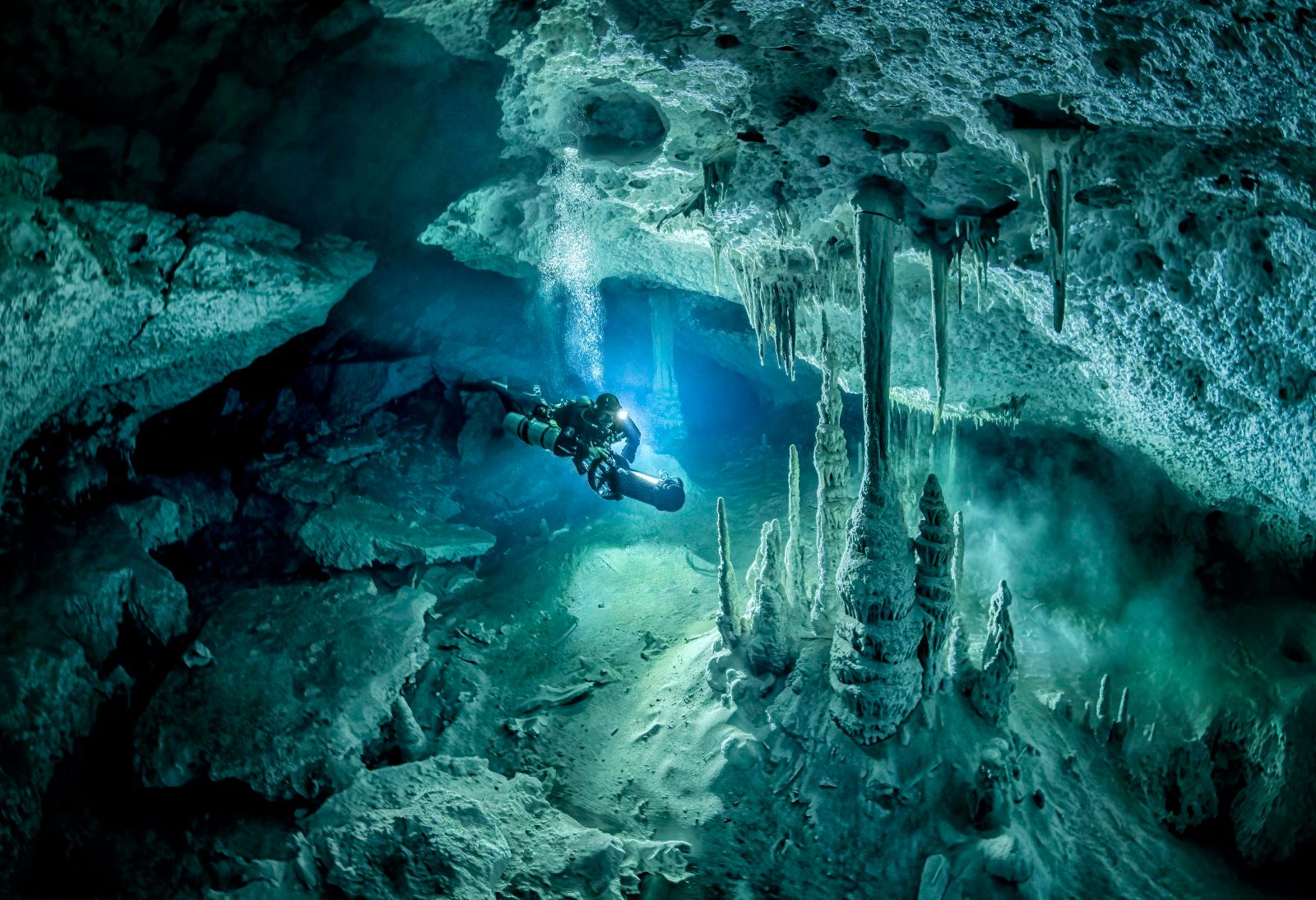
Located near Zamami, this site is known for its dramatic underwater topography and large caverns. The terrain supports a variety of macro life and soft corals.
Check the cave ceilings for crustacean activity.
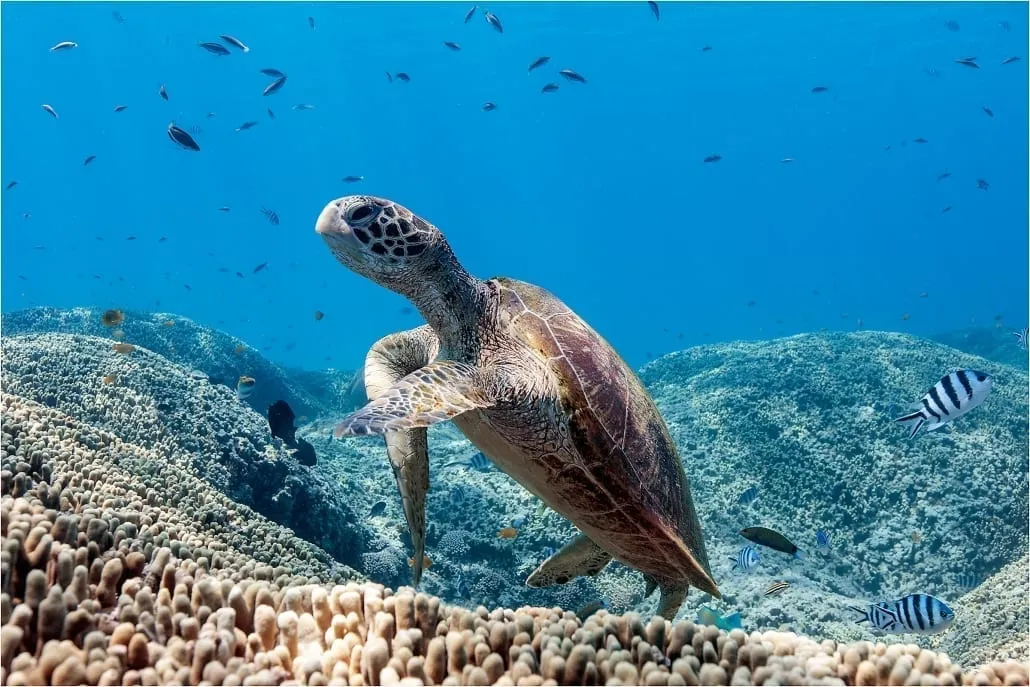
This popular site offers gentle slopes covered in hard corals and is a reliable spot for spotting green sea turtles. It is well-suited for various experience levels.
Observe sea turtles near the coral heads.
Dive operators require advance booking and valid certification, and conditions change rapidly with weather and currents.
Keramashoto National Park enforces strict environmental regulations to protect coral reefs and marine ecosystems. Divers must follow no-touch protocols and waste-free practices at all sites.
Everything you need to know about kerama islands dive sites
The Kerama Islands are renowned for their high water transparency, often exceeding 30 meters, which defines these exceptional kerama islands dive sites. You will encounter vibrant coral reefs and diverse topography ranging from shallow sandy patches to dramatic underwater cliffs. Entry to the sea area is 0 JPY, though individual dive operators charge for boat access to these kerama islands dive sites. No specific permit is required for individuals, but you must arrange transport through a registered dive operator to access the restricted marine zones safely. The best arrival window is 07:30–15:00, as day trip boats depart early to maximize daylight hours for your underwater excursions. While diving is available year-round, summer months provide the warmest water temperatures for visiting these popular kerama islands dive sites. Most operators require participants to be in good health, and specific age minimums are set by individual shops rather than the national park authorities. You should coordinate with a local service provider to ensure your chosen charter aligns with your skill level and certification. Access to these underwater locations is exclusively via boat from the main islands of Zamami or Tokashiki. You should book your transit in advance to ensure availability during peak travel periods. These waters are famous for sea turtles, schooling reef fish, and seasonal manta rays that frequent the area. Careful observation allows for encounters with diverse biodiversity while maintaining a respectful distance from the fragile coral structures.
Kerama Islands National Park Diving
Read more Tickets & toursKerama Island Dive Shops
Read more GuideHow to Get to Kerama Islands
Read more Tickets & toursKerama Islands Diving Tours
Read more GuideKerama Island Diving Experience
Read more Tickets & toursKerama Islands Diving from Naha
Read more