7 hr
Kerama Islands Snorkeling Adventure from Naha
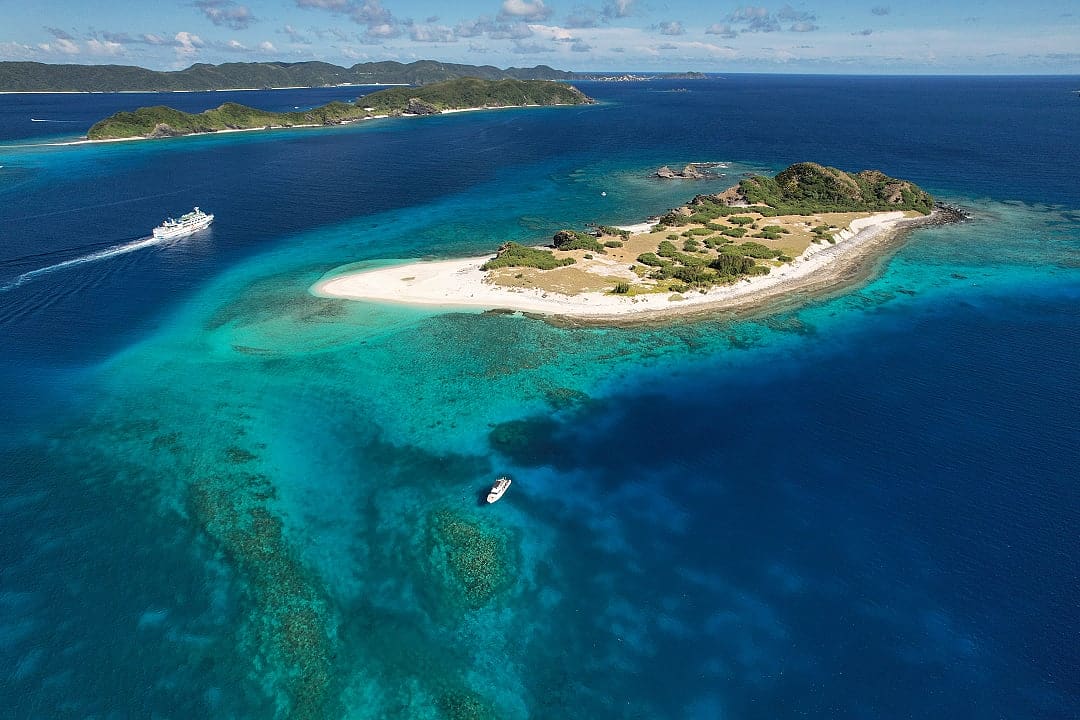
Full-day boat cruise exploring pristine coral reefs and searching for sea turtles at multiple sites
Reserve
Forty dive sites in crystalline water, twenty minutes by ferry from Naha.
Hand-picked by our editors — only the best 12 dive operators from 47 reviewed.
Verified partners for Kerama Islands Diving tours, free cancellation where available, and instant confirmation on every booking.
7 hr
Full-day boat cruise exploring pristine coral reefs and searching for sea turtles at multiple sites
Reserve
9 hr
Full-day ocean excursion to protected island waters with gear, guidance, lunch and transport included
Reserve
7 hr
Explore crystal-clear waters and vibrant coral reefs across multiple sites in this protected marine sanctuary
ReservePrices from verified partners. Availability updates in real time at checkout. Free cancellation policies apply where shown.
The landmarks, rooms, and views travelers on Kerama Islands Diving tours remember — all visible on a single visit.
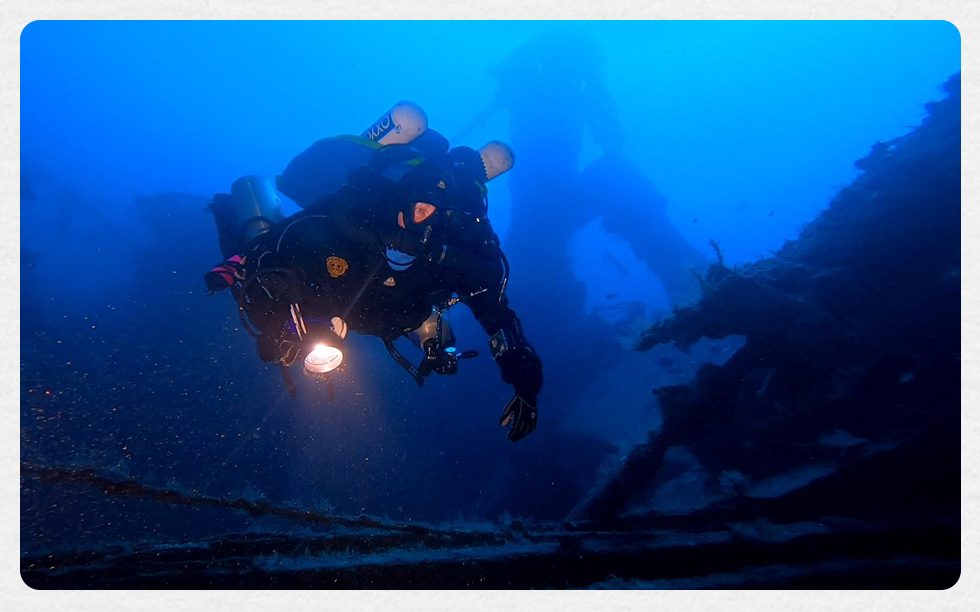
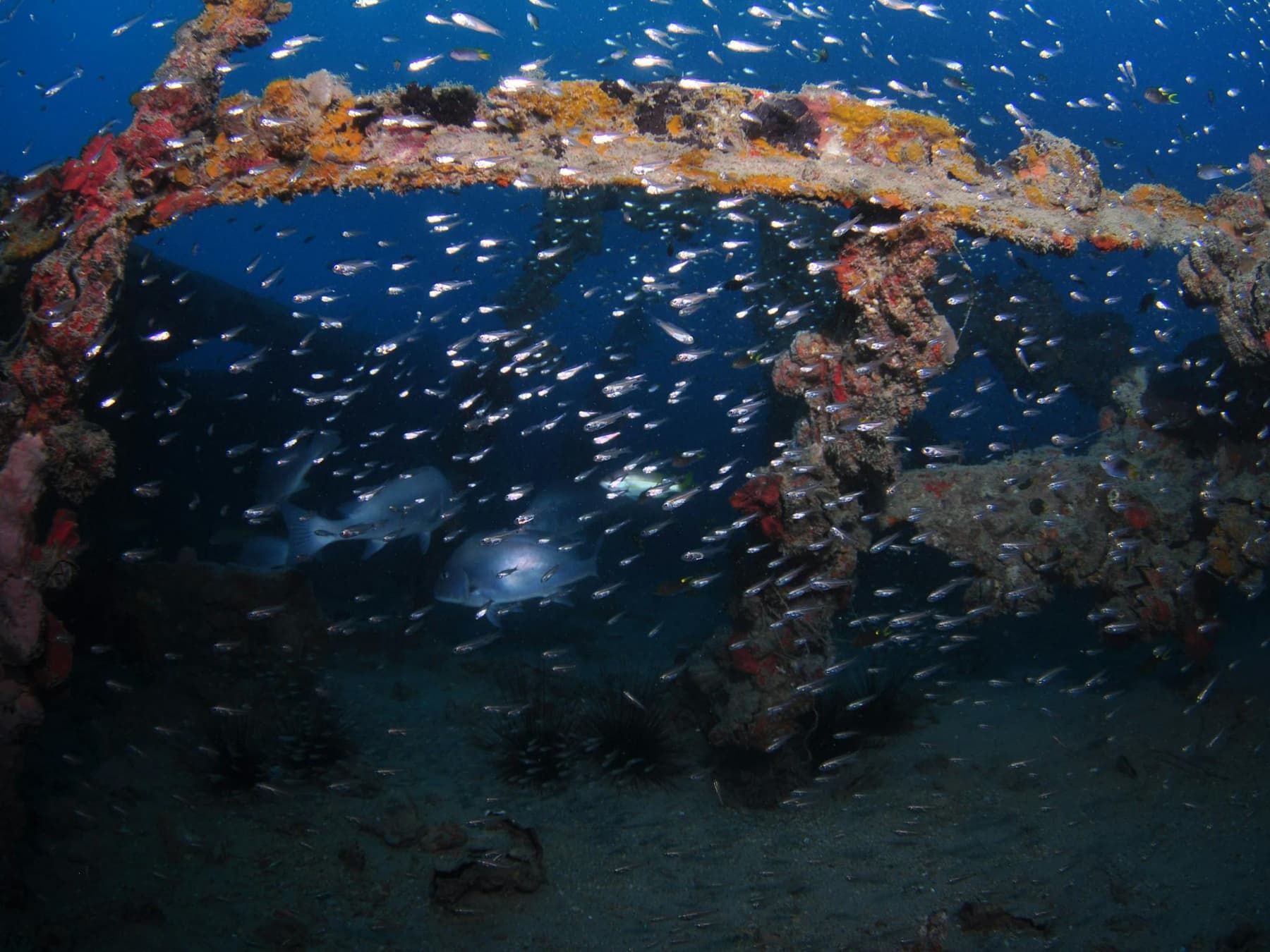
This sandy site features the metal wreckage of a small aircraft sunk for a 1989 film. Divers can explore the debris at a depth of 12 meters while observing resident garden eels.
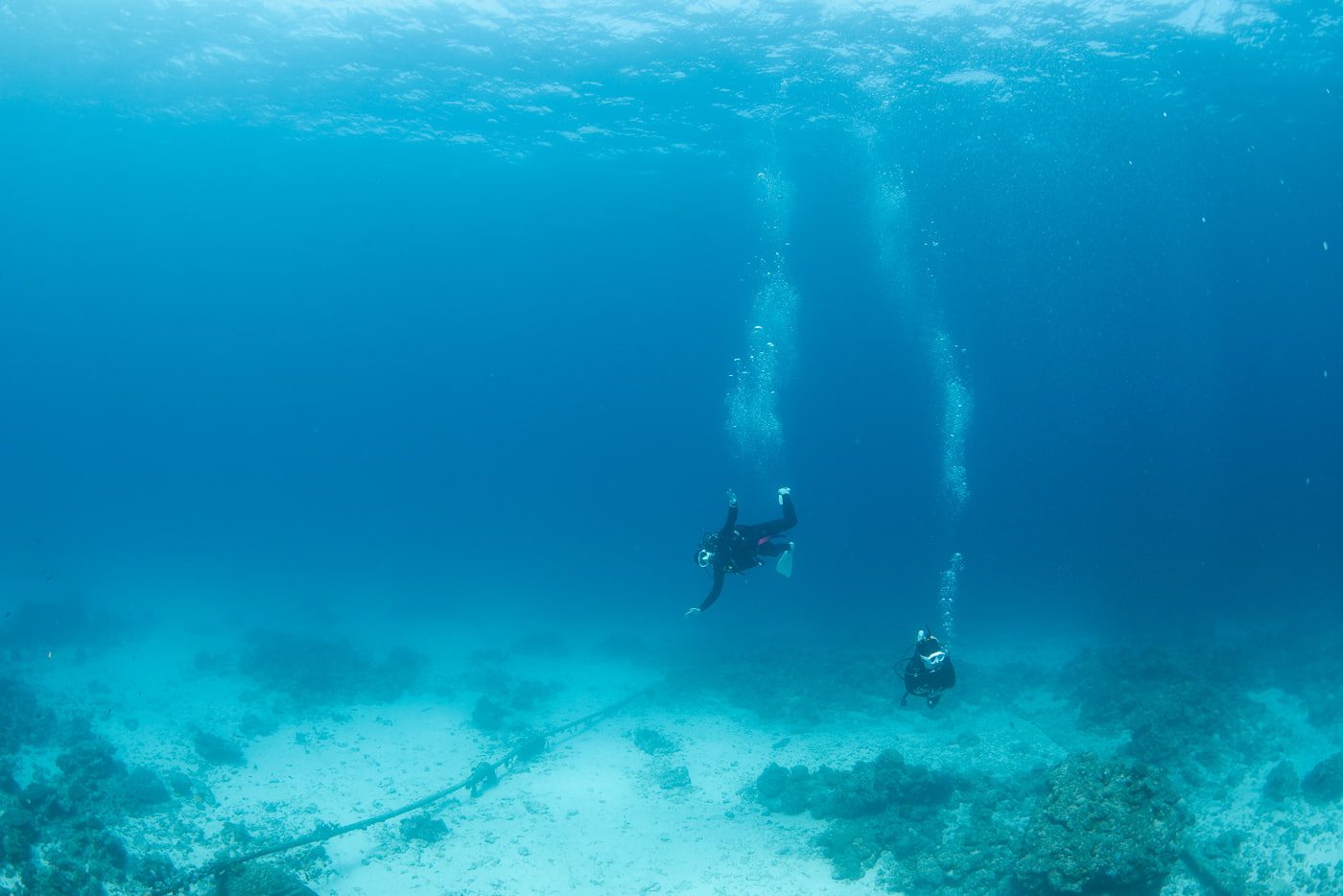
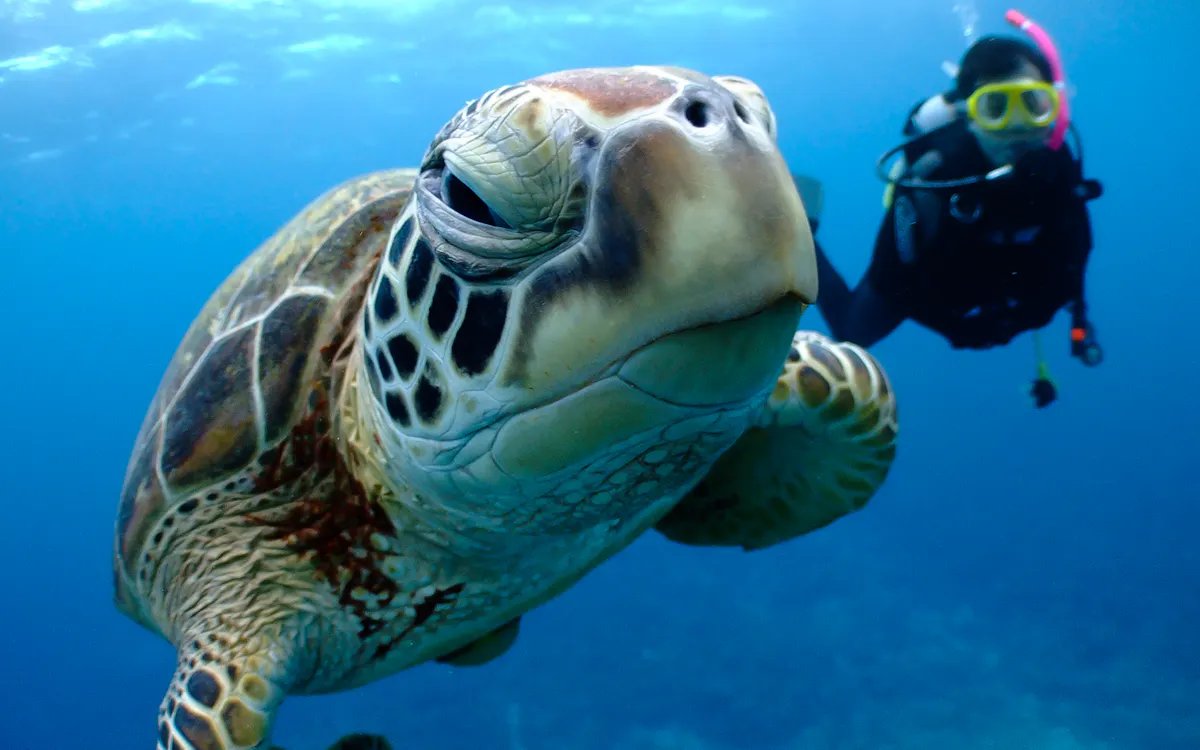
Named after an underwater telecommunications cable that runs along the seafloor between Zamami and Tokashiki. The site features shallow coral structures at a depth of 15 meters and is home to green sea turtles.
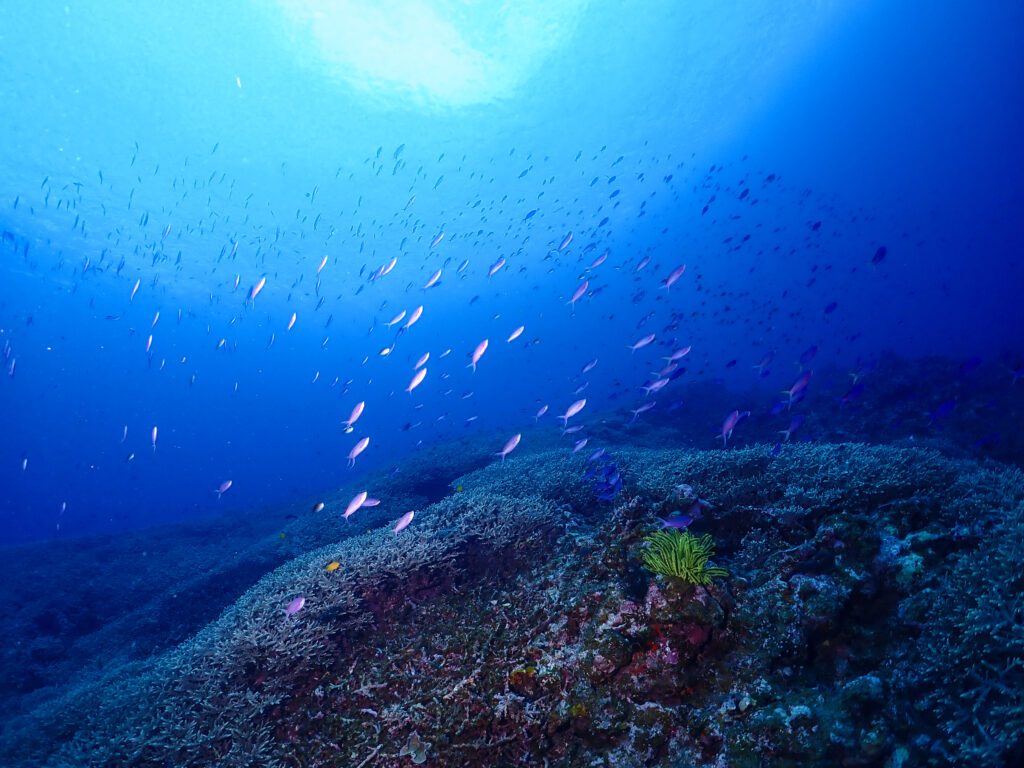
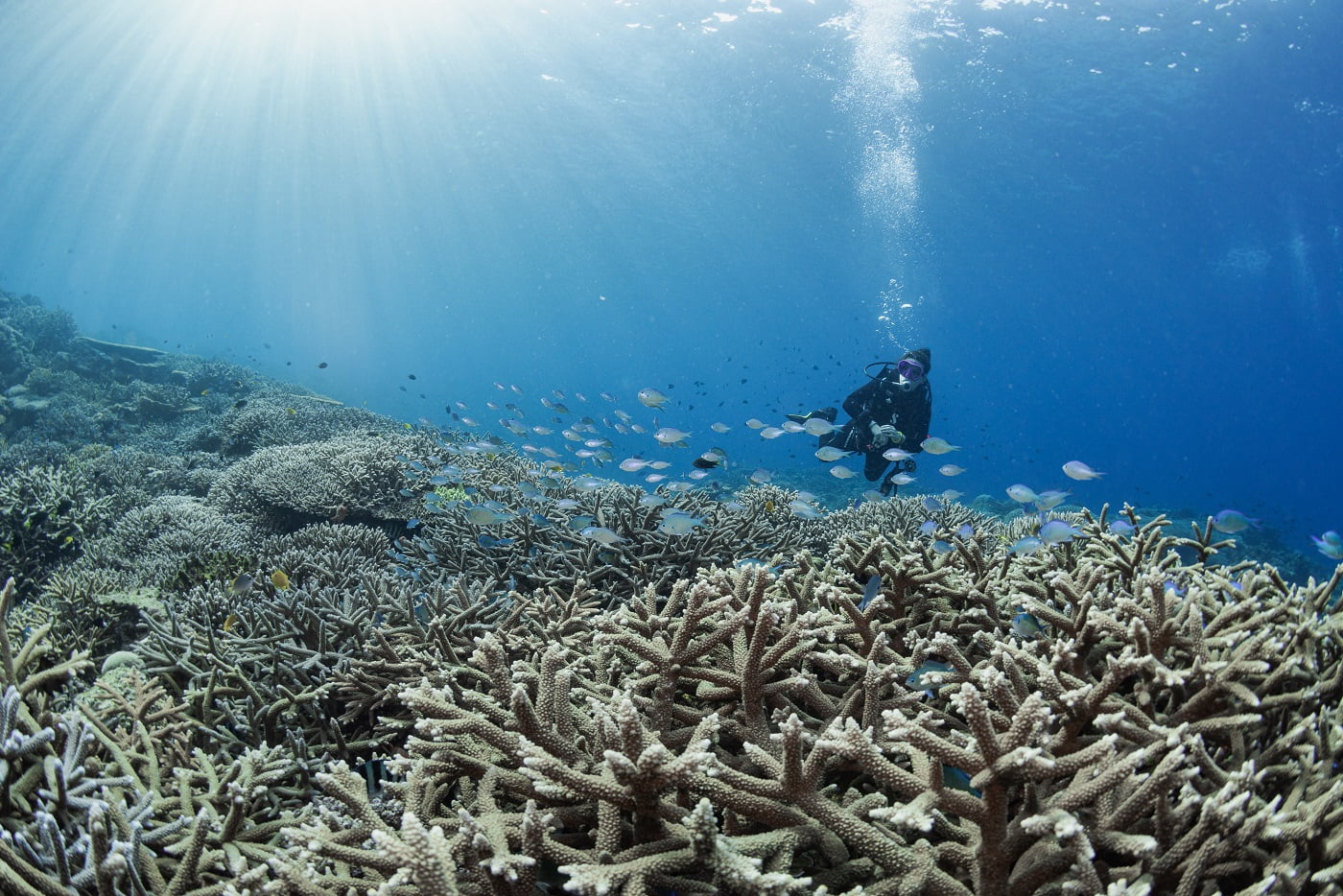
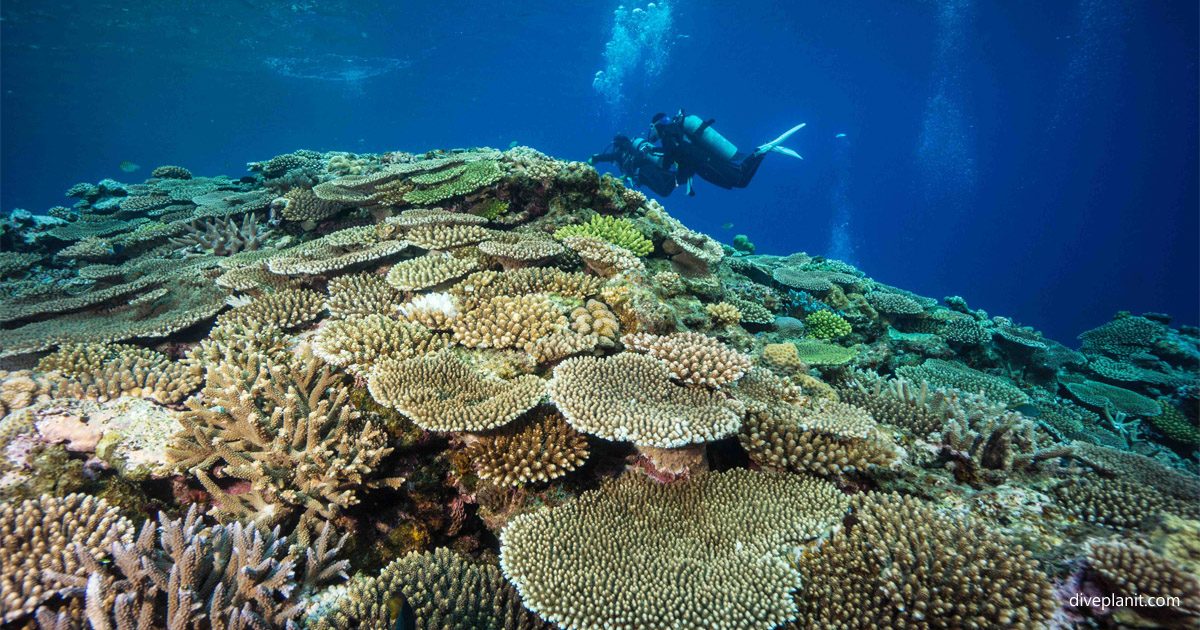
Famous for its massive formations of staghorn coral that rise to within 5 meters of the surface. A colony of Japanese coral houses thousands of colorful anthias and damselfish.
A towering rocky pinnacle that plunges to depths of 35 meters in the open ocean. Experienced divers navigate strong drift currents here to spot schooling dogtooth tuna and reef sharks.
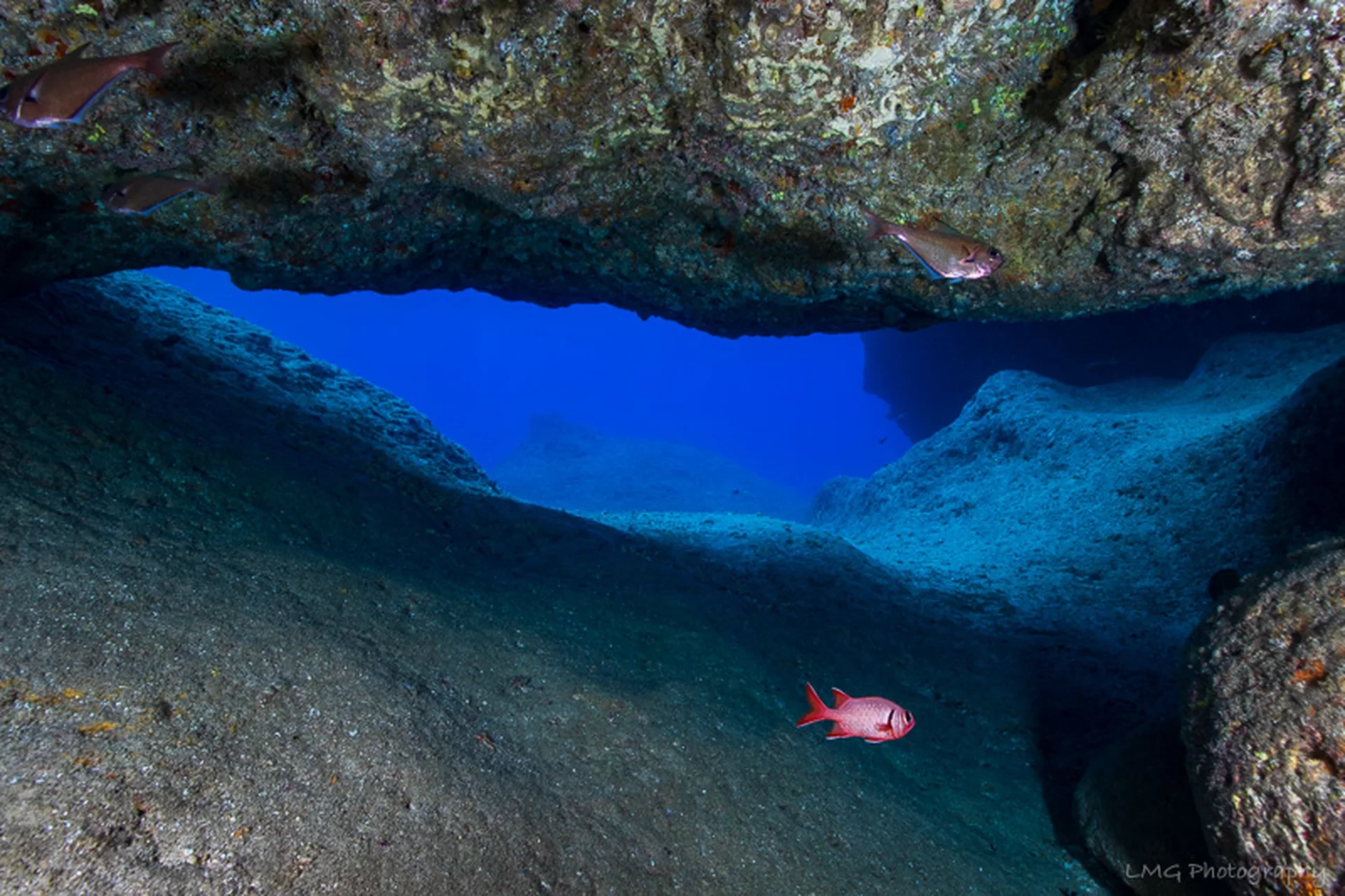
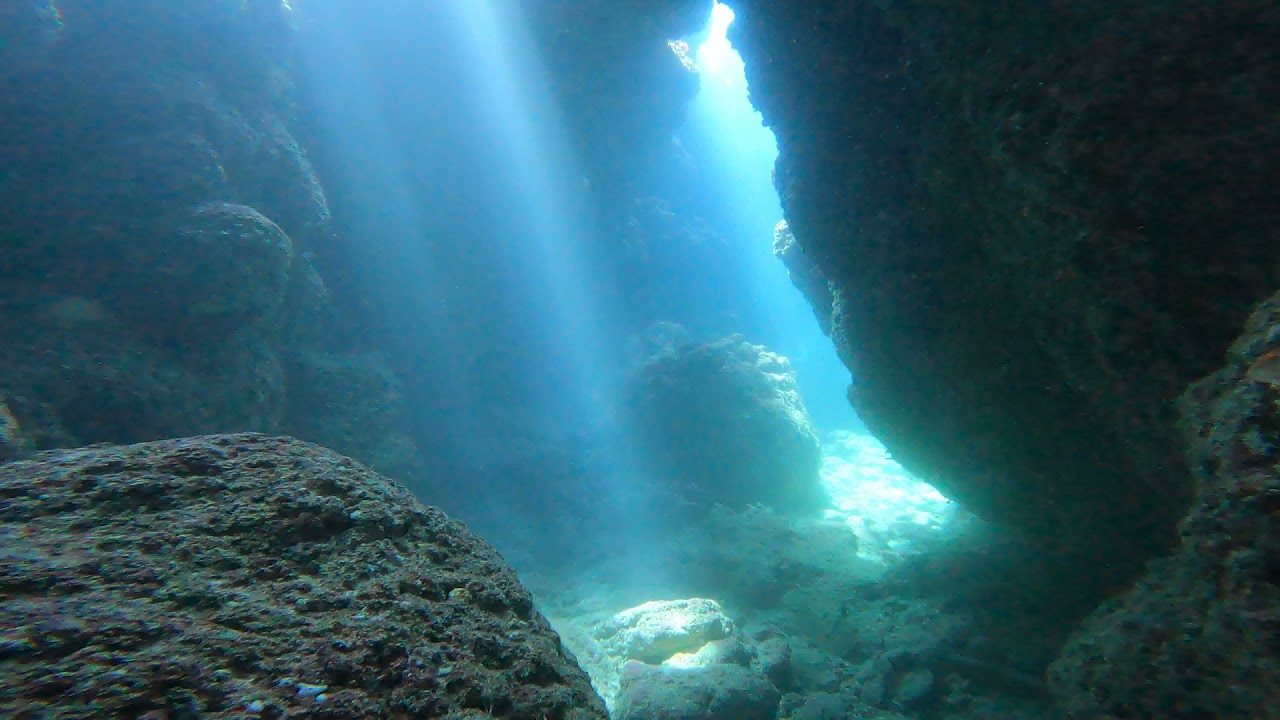
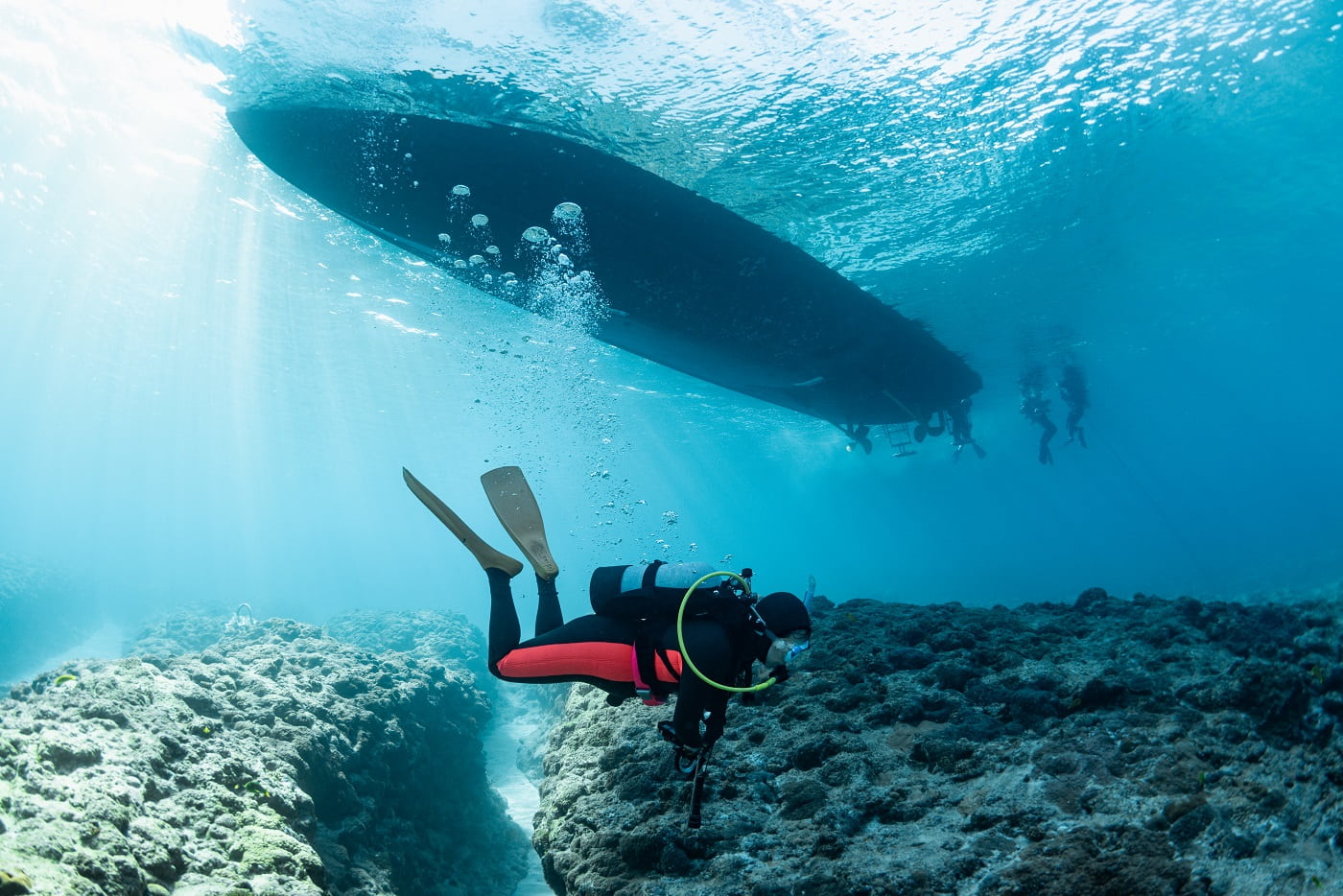
A rocky labyrinth featuring tunnels and overhead cracks that create a natural light show. Sunlight filters through the ceiling into a cavern at 15 meters, where silver sweepers gather.
Every Kerama Islands Diving tour side-by-side — duration, what's included, how you redeem.
| Experience | Duration | Rating | Skip-the-line | Guide | Small group | Free cancel. | Price | |
|---|---|---|---|---|---|---|---|---|
|
Guided Experience Most popular
Kerama Islands Snorkeling Adventure from Naha
|
7 hr | ★ 4.5 | ✓ | ✓ | ✓ | ✓ | €70 | Book → |
|
Guided Experience
Kerama Islands Snorkeling Adventure from Naha
|
9 hr | ★ 4.7 | ✓ | ✓ | ✓ | ✓ | €43 | Book → |
|
Guided Experience
Kerama National Park Snorkeling Adventure
|
7 hr | ★ 4.6 | ✓ | ✓ | ✓ | ✓ | €70 | Book → |
All prices from verified partners. Availability and exact terms confirmed at checkout.
They complement each other; most visitors who do both call the Kerama Islands the more accessible choice for proximity, while Ishigaki provides unique megafauna encounters. This comparison helps you evaluate your preferred kerama islands diving tours against the regional alternatives.
| Feature | Top pick Kerama Islands | Ishigaki Island |
|---|---|---|
Marine Life Focus |
Sea turtles and coral | Manta rays and reefs |
Boat Ride Duration |
20–50 minutes | 30–60 minutes |
Water Clarity |
High visibility Kerama Blue | High visibility lagoon waters |
Vibe and Vistas |
Quiet, remote island charm | Tropical hub with amenities |
Logistics and Base |
Day trip from Naha | Standalone destination in Yaeyama |
kerama islands diving tickets |
Available for booking | Requires local operator booking |
| See tickets → |
Verdict: Choose a kerama islands diving tour for rapid access from Okinawa main island, or Ishigaki for specialized manta ray expeditions and a distinct diving culture.
Choose your ticket, select your date, and reserve in under two minutes. Secure checkout handled by our verified partner.
Instant confirmation by email, with a mobile voucher you can save offline. No printing, no queuing at a collection desk.
Arrive at the entrance, show your voucher on your phone, and walk in. Most tickets include priority or skip-the-line access.
Practical details for Kerama Islands Diving tickets straight from our verified partners — hours, access, rules, and how to get there.
3-25-1 Maejima, Naha, Okinawa, Japan
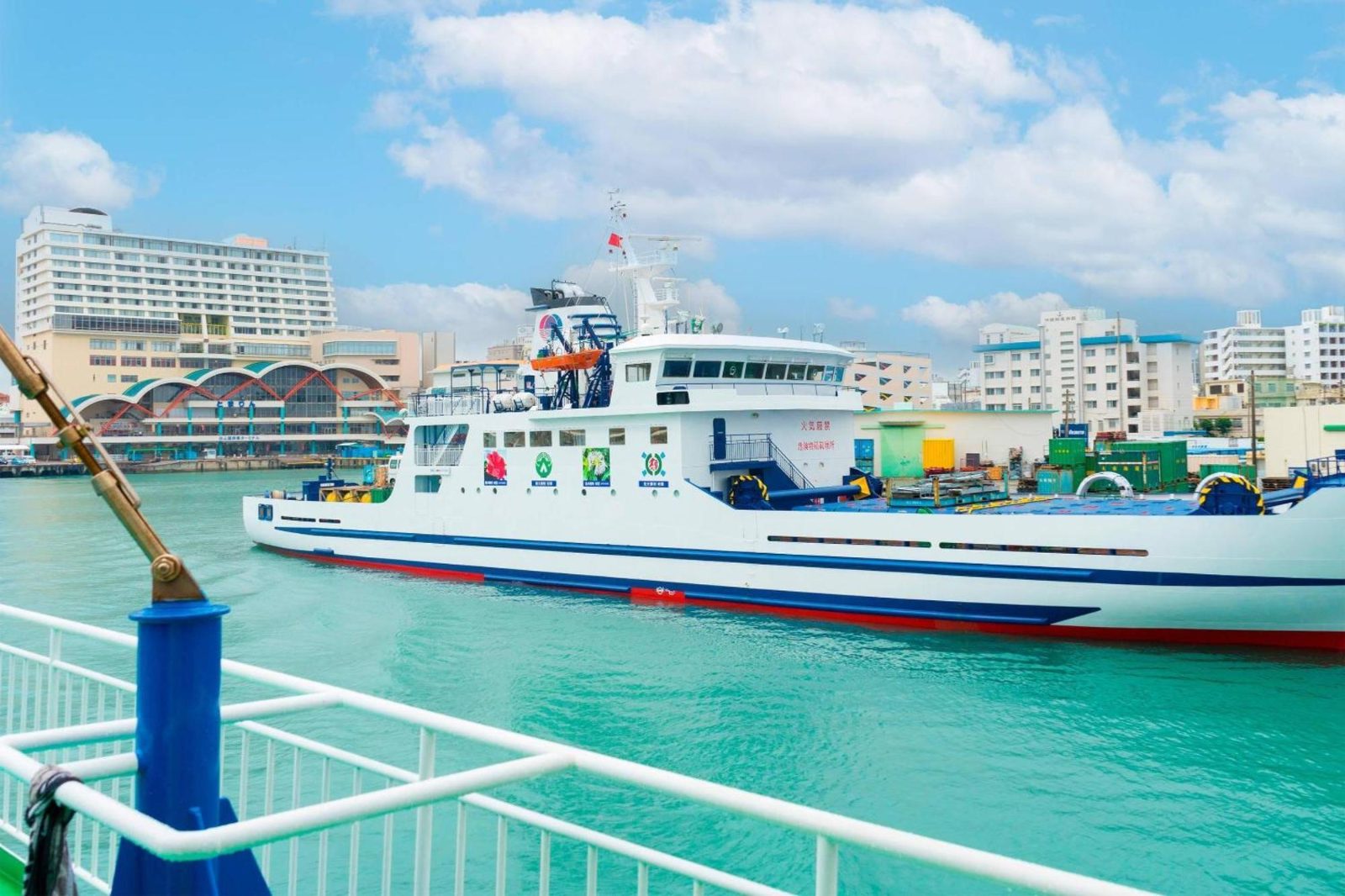
The primary departure hub for speedboats and car ferries heading to Zamami and Tokashiki.
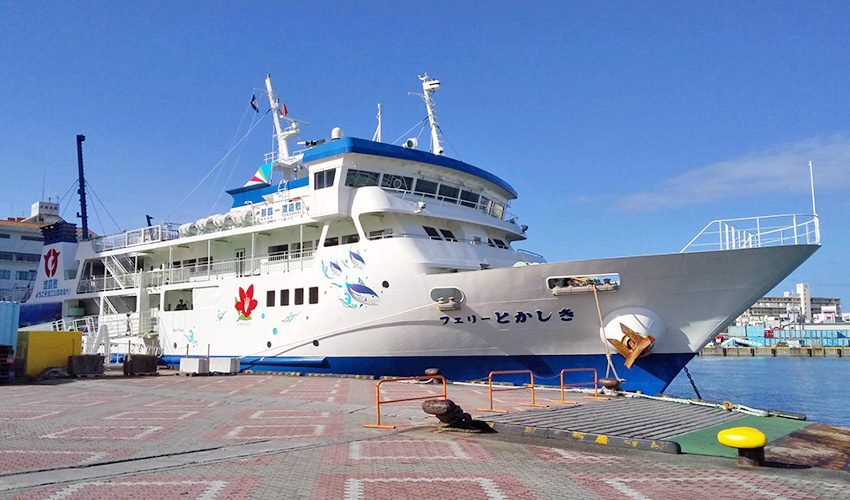
Open in Google MapsTake the high-speed Queen Zamami or Ferry Tokashiki from Tomari Port in Naha directly to the islands.
Ride from Naha Airport to Tomari Port to catch morning charter boats.
Divers should wear a standard swim suit under a rental or personal neoprene wetsuit. A 5mm wetsuit is typically recommended for water temperatures from May to November, while drysuits or 6.5mm setups are preferred in cooler months.
Baggage storage is limited to onboard lockers on dive boats, so visitors should only bring essential gear. Keep all electronics and dry clothes in waterproof dry bags during your Keramashoto National Park diving trip.
Underwater photography is permitted during Kerama Islands diving activities. Ensure all equipment is secured with a wrist lanyard, and avoid touching the coral or marine life to stabilize your shot.
Due to the nature of boat boarding, Kerama Islands diving has limited physical accessibility for mobility-impaired visitors. Some operators can accommodate adaptive diving with advance notification and specialized guides.
Mobile signal is generally reliable near the main islands but drops entirely when diving or traveling far offshore. Keep devices in dry bags when on the boat deck.
Introductory diving programs are generally restricted to children aged 10 and older who can demonstrate swimming proficiency. Families with younger children can opt for snorkeling excursions instead.
Most full-day charters provide a standard bento lunch and drinking water. Visitors are encouraged to bring reusable water bottles and personal snacks, as there are no shops available at sea.
Pets are not permitted on dive boats or within active marine zones for safety and conservation reasons. Service animals can be accommodated on major transport ferries but cannot accompany divers on excursions.
All participants in Kerama Islands diving must complete a medical questionnaire prior to departure. A minimum surface interval of 18 hours is required before flying after a single dive, and 24 hours is recommended for multiple dives.
3-25-1 Maejima, Naha, Okinawa, Japan
The primary departure hub for speedboats and car ferries heading to Zamami and Tokashiki.
Get directionsBest time to go, insider tips, nearby landmarks, and the cancellation fine print — flip through to skim what matters to you.
How crowds, weather, and events shift across the year.
July and August bring warm waters around 28 degrees Celsius and excellent visibility exceeding 30 meters. This is the busiest period for Okinawa marine activities, so early reservations are necessary.
September to November offers comfortable air temperatures and warm water, though typhoons can occasionally cause boat cancellations. Marine life remains highly active during these months.
December to February sees water temperatures drop to around 20 degrees Celsius, requiring a 5mm wetsuit with a hood or a drysuit. Humpback whales migrate through the area, offering chances for sightings from the boat.
March to May brings breeding cuttlefish and rising water temperatures. Visibility remains high, and the islands are less crowded than during the summer peak.
Small details that turn a good visit into a great one.
High-speed ferries to Zamami and Tokashiki sell out weeks in advance during the summer season. Secure your transit tickets to Zamami, Tokashiki, or Kuroshima before arranging local activities.
Boat crossings and diving schedules are highly dependent on wind and wave heights. Keep an eye on local marine forecasts, especially during the autumn typhoon season.
Many small local shops, food stalls, and transit buses on the outer islands do not accept credit cards. Withdraw sufficient Japanese Yen at Naha before boarding.
Avoid standing on or touching the coral formations, as they are fragile and take decades to grow. Use reef-safe sunscreen to prevent chemical bleaching of the marine habitat.
Ensure you plan a minimum of 18 to 24 hours between your last dive and your departure flight from Naha Airport to prevent decompression sickness.
Non-bookable sights within a short walk — free to visit, easy to pair.
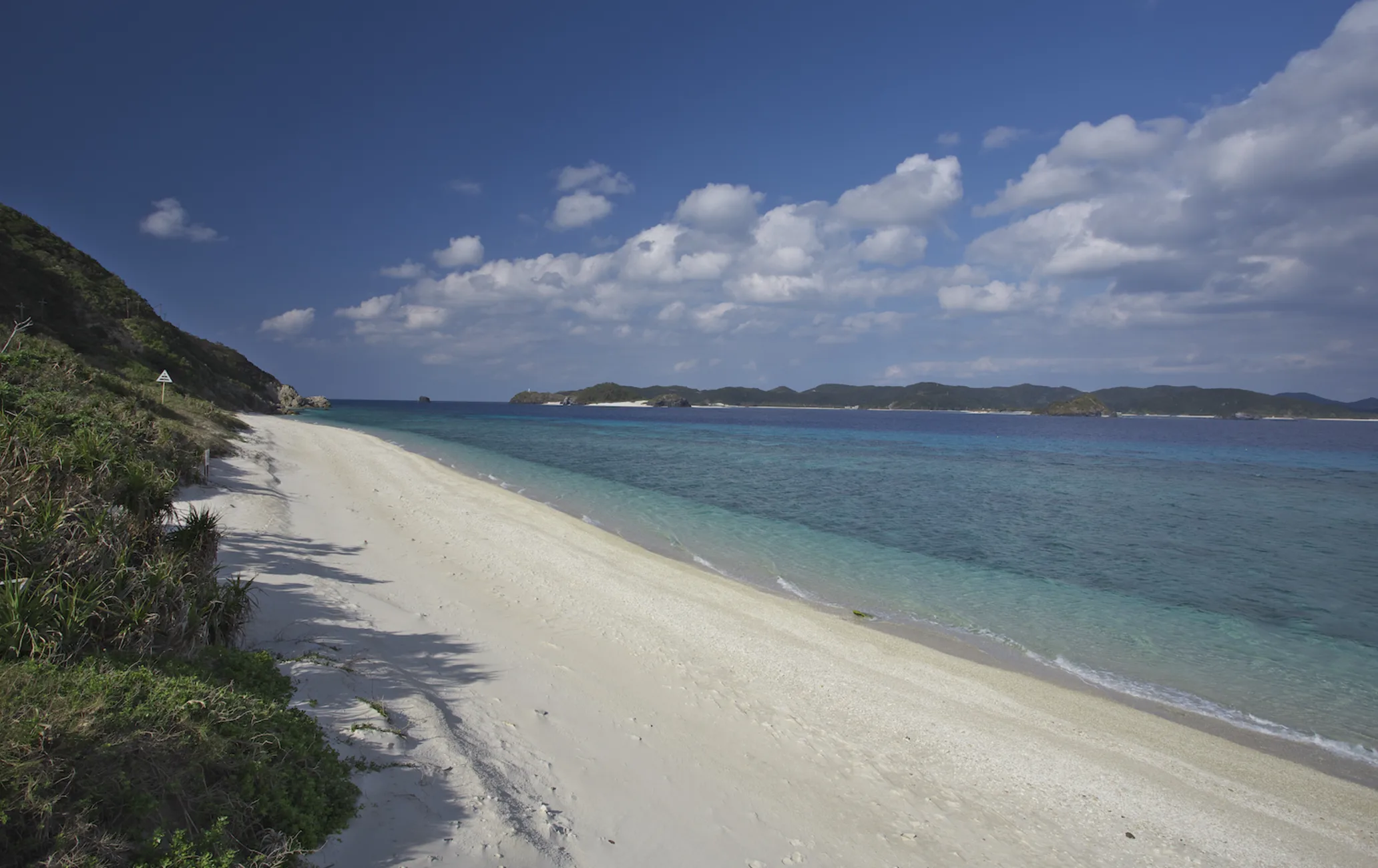
A long stretch of white sand known for its shallow coral gardens and easy snorkeling access.
An elevated deck offering panoramic vistas of the surrounding uninhabited islands and turquoise bays.
The main recreation beach on Tokashiki Island, featuring clear shallow waters and local dining options.
A rocky viewpoint looking out over the offshore islets and deep blue reef edges.
Flexible, no hidden fees.
Cancellations made up to 24 hours before your scheduled boat departure receive a full refund, excluding any minor environmental levies or national park fees for Kerama Islands diving. Within 24 hours, cancellations incur a 100 percent fee unless weather prevents boat operation.
Hand-picked options within walking distance — pick a district for vibe, or a specific hotel for convenience.
A cozy hotel on Zamami Island offering private rooms and easy transfers to local beaches.
A diver-focused lodge featuring comfortable accommodations and an attached gear rental center.
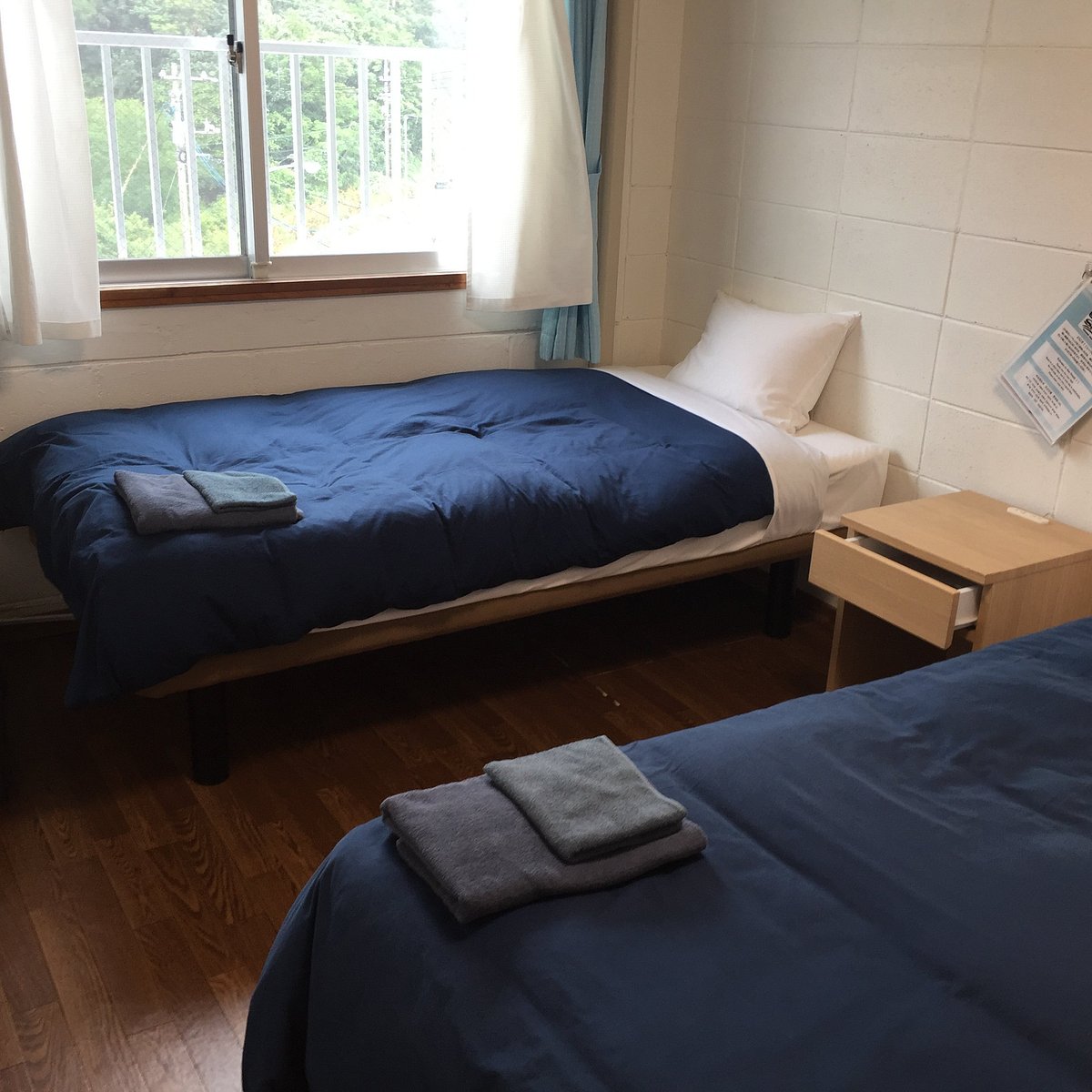
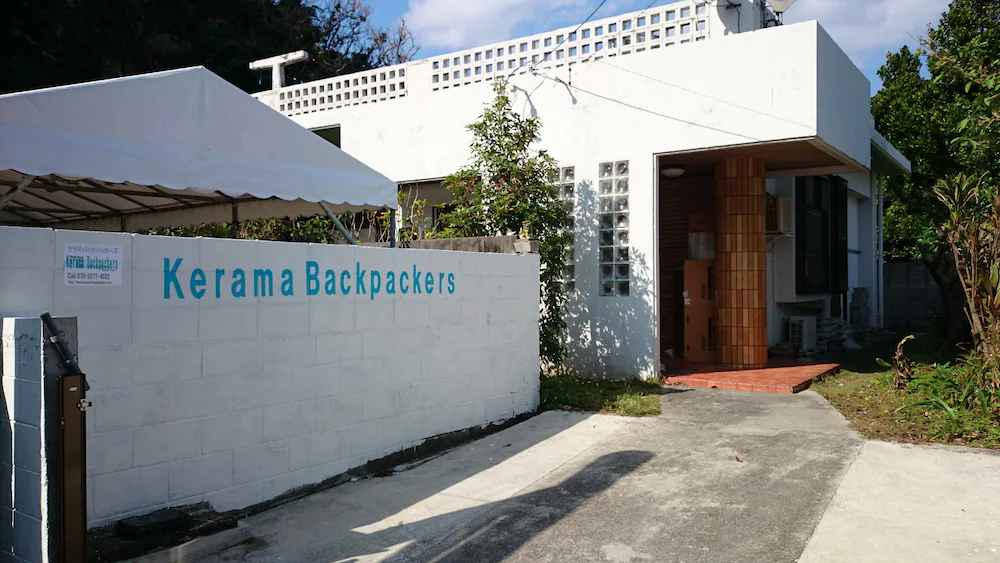
A simple hostel offering shared dormitories and communal kitchen facilities for budget travelers.
The Kerama Islands archipelago was designated Japan's thirty-first national park in 2014, the first recognition of marine biodiversity as the centerpiece of protected status rather than terrestrial forest or volcanic terrain.
Twenty-two islands scattered thirty-five kilometers west of Okinawa's main island shelter more than two hundred coral species—sixty percent of all hard coral documented in Japanese waters—compressed into forty square kilometers of reef slope, drop-off, and channel current. Visibility routinely exceeds thirty meters from April through October, a function of the Kuroshio Current sweeping north past the island chain and flushing sediment offshore. The designation followed decades of advocacy by Zamami and Tokashiki residents who watched recreational diving transform seasonal fishing economies into year-round tourism anchors, with environmental stewardship formalized through mooring buoy systems and seasonal spawning closures that now inform management frameworks across the Ryukyu arc.
Kerama islands diving remains accessible to novice and advanced divers alike because the archipelago's geography creates natural depth gradients within minutes of departure points. Zamami's Gahi Island and Tokashiki's Takara Reef sit in eight to fifteen meters of water, their table coral colonies and resident green sea turtles composing the most photographed underwater scenes in Okinawa Prefecture. Advanced sites like Unten and Kamiyama drop beyond forty meters along vertical walls incised by Pleistocene sea-level shifts, where white-tip reef sharks patrol ledges and pelagic jacks school in cobalt water columns. The cluster of dive sites means operators schedule two-tank morning trips and single-tank afternoon excursions without requiring overnight stays, a logistical advantage that brings day-trippers from Naha while preserving the islands' small-scale infrastructure—no high-rise resorts, no chain retail, only family-run guesthouses and single-boat dive shops.
The coral itself tells a recovery story. Bleaching events in 1998 and 2016 reduced live coral cover by nearly forty percent, but Keramashoto National Park's rapid response—anchoring restrictions, turtle-feeding bans, and sunscreen guidance—allowed staghorn and brain coral to regenerate at rates documented by university monitoring teams. By 2026, the dive sites near Aka Island and southern Tokashiki show coral density comparable to pre-bleaching surveys, a rare reversal in a decade when warming seas have collapsed reef systems throughout the Indo-Pacific. The result is a kerama island diving experience that pairs ecological resilience with infrastructure maturity: bilingual dive briefings, nitrox fills on Zamami and Tokashiki, rental gear in extended sizes, and real-time weather updates through operator Line groups that reroute trips when swells close western exposure sites.

"Sixty percent of Japan's hard coral species concentrate in forty square kilometers of national park water."
A step-by-step walkthrough of Kerama Islands Diving tickets — what you'll see, how long each stage takes, and the details that matter.
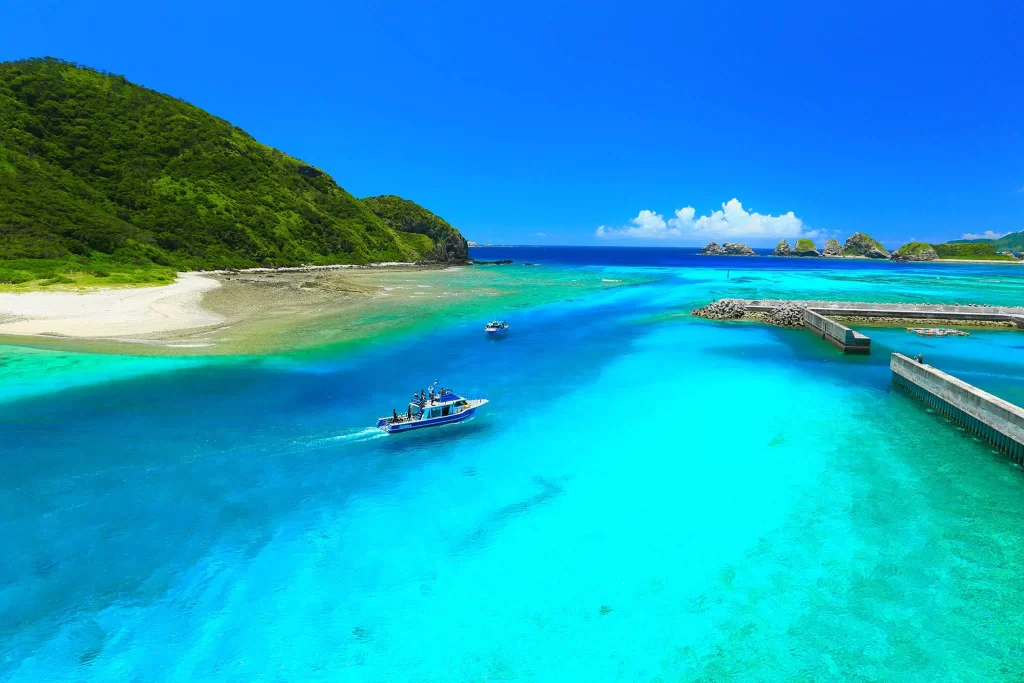
You board the dive boat at Zamami Port just after eight, the hull already loaded with tanks and weight belts sorted by reservation. The crossing to Gahi Island takes eleven minutes, the boat threading between uninhabited islets whose pine-covered slopes rise sharply from turquoise shallows.
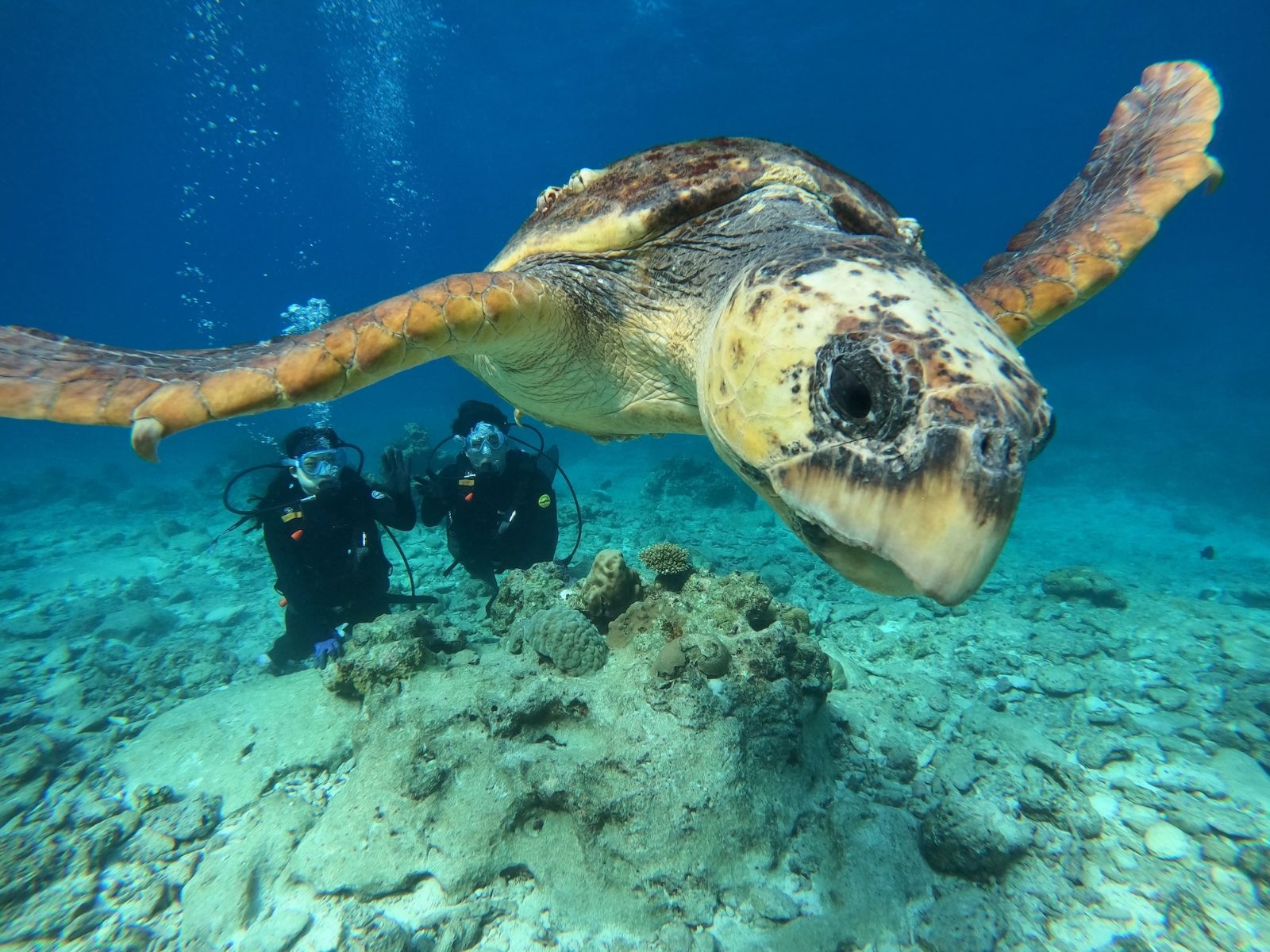
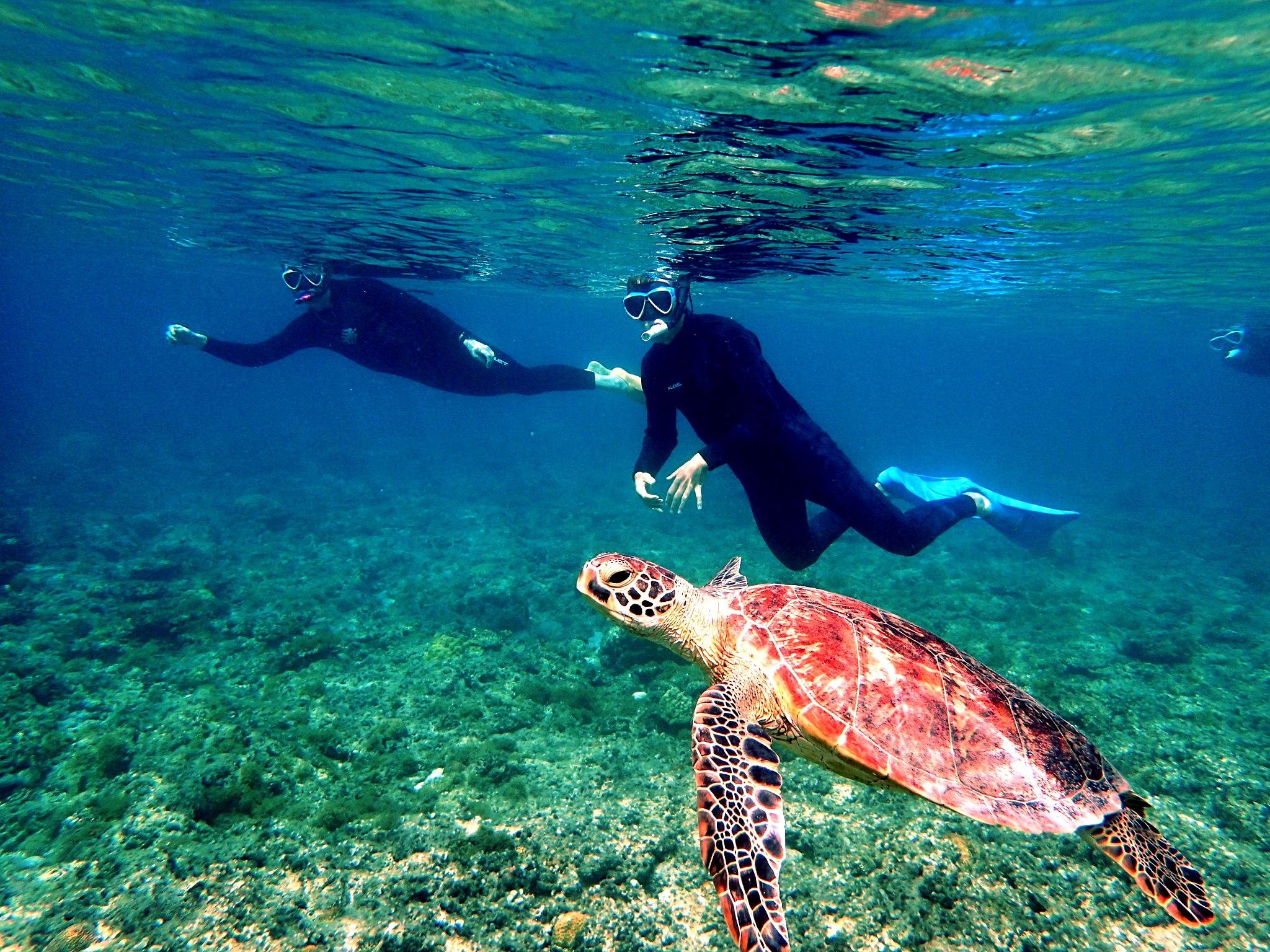
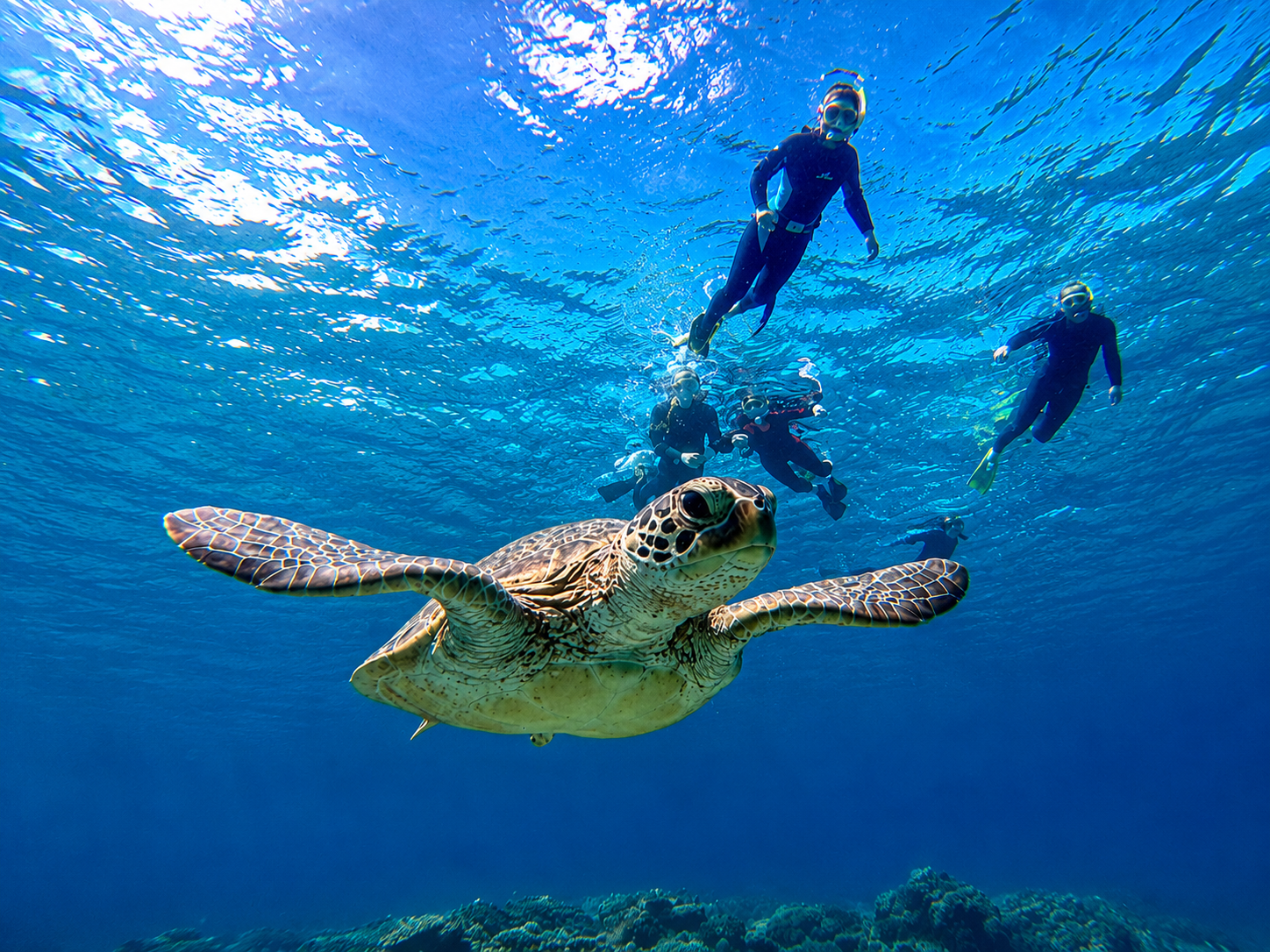
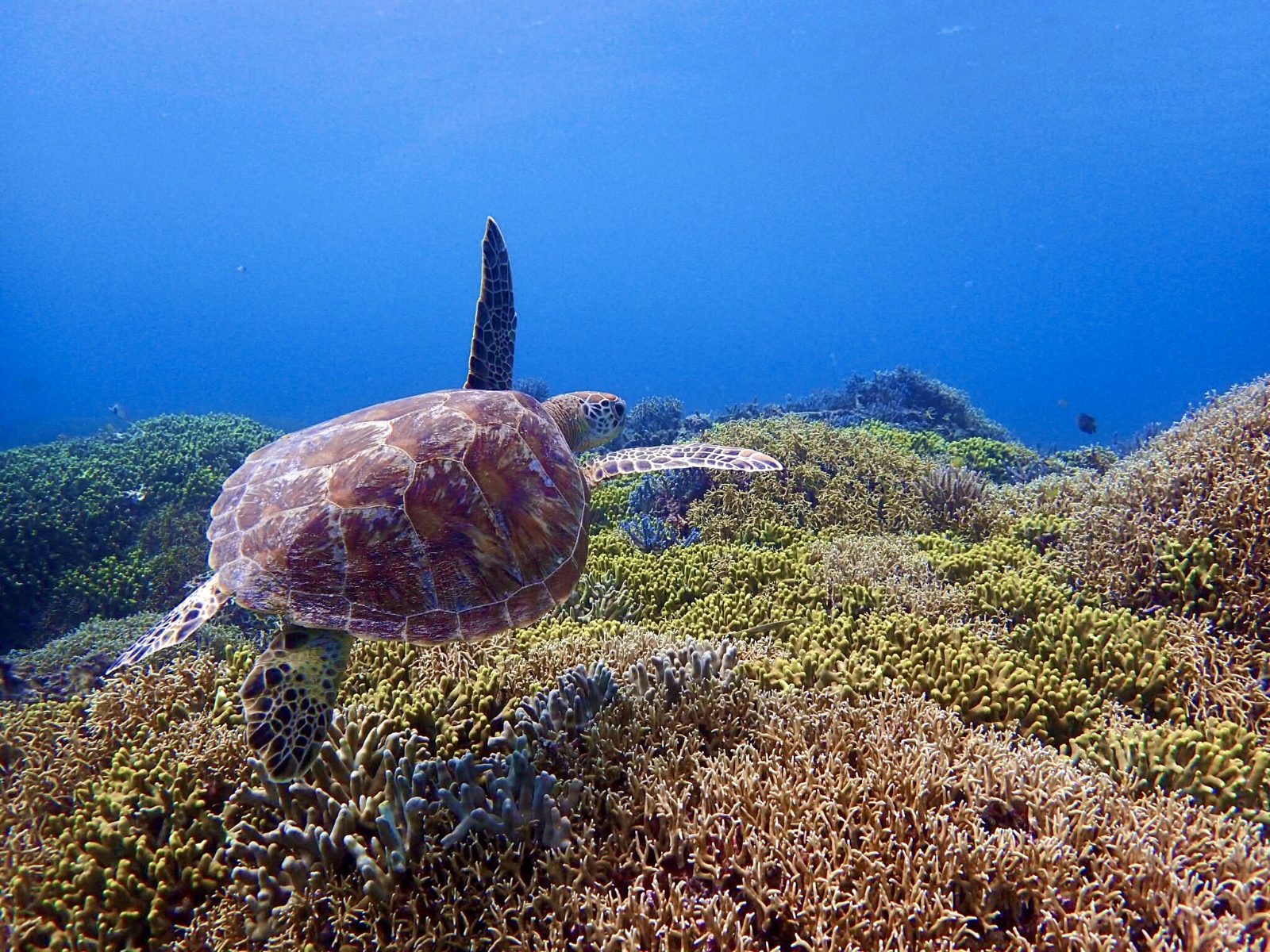
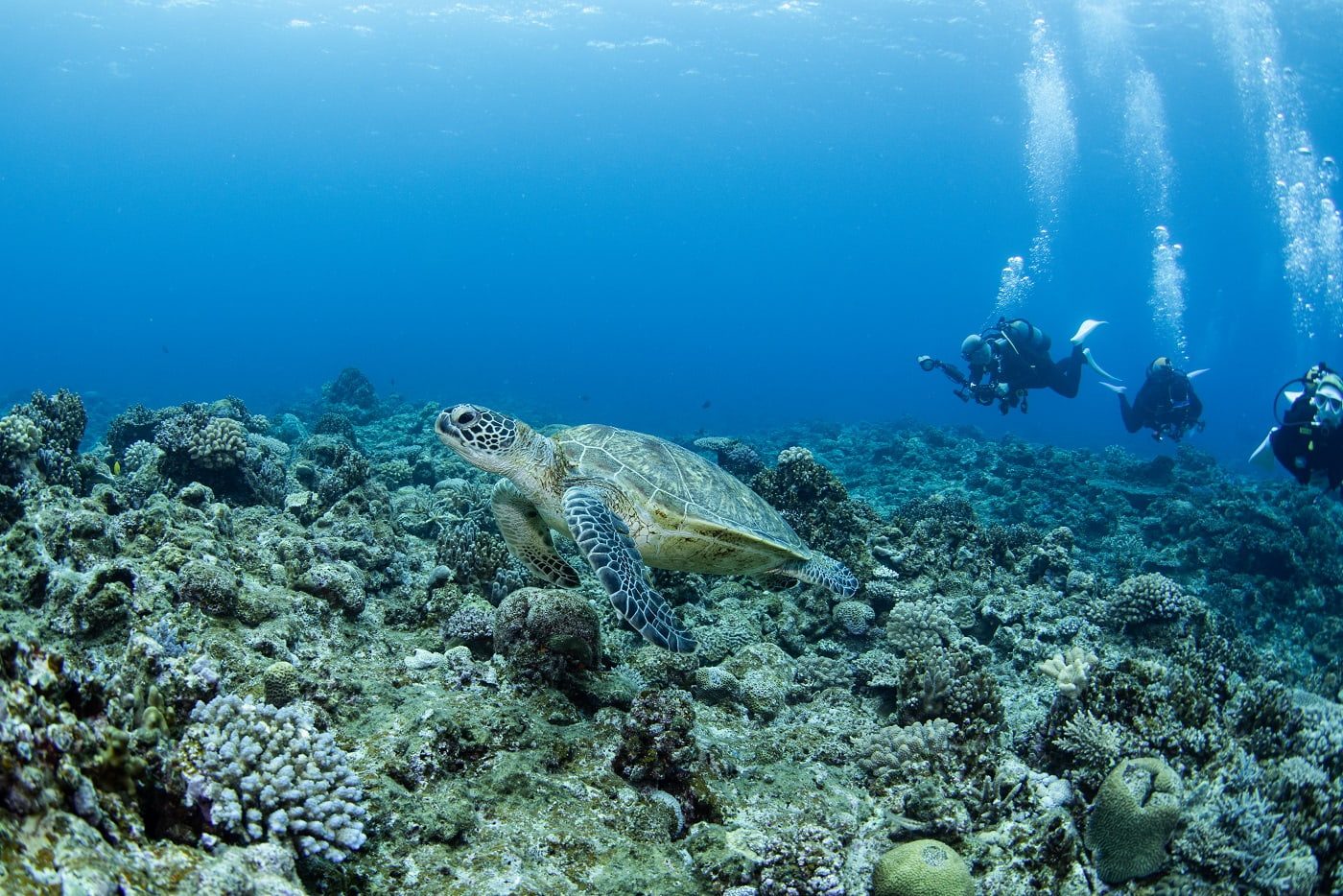
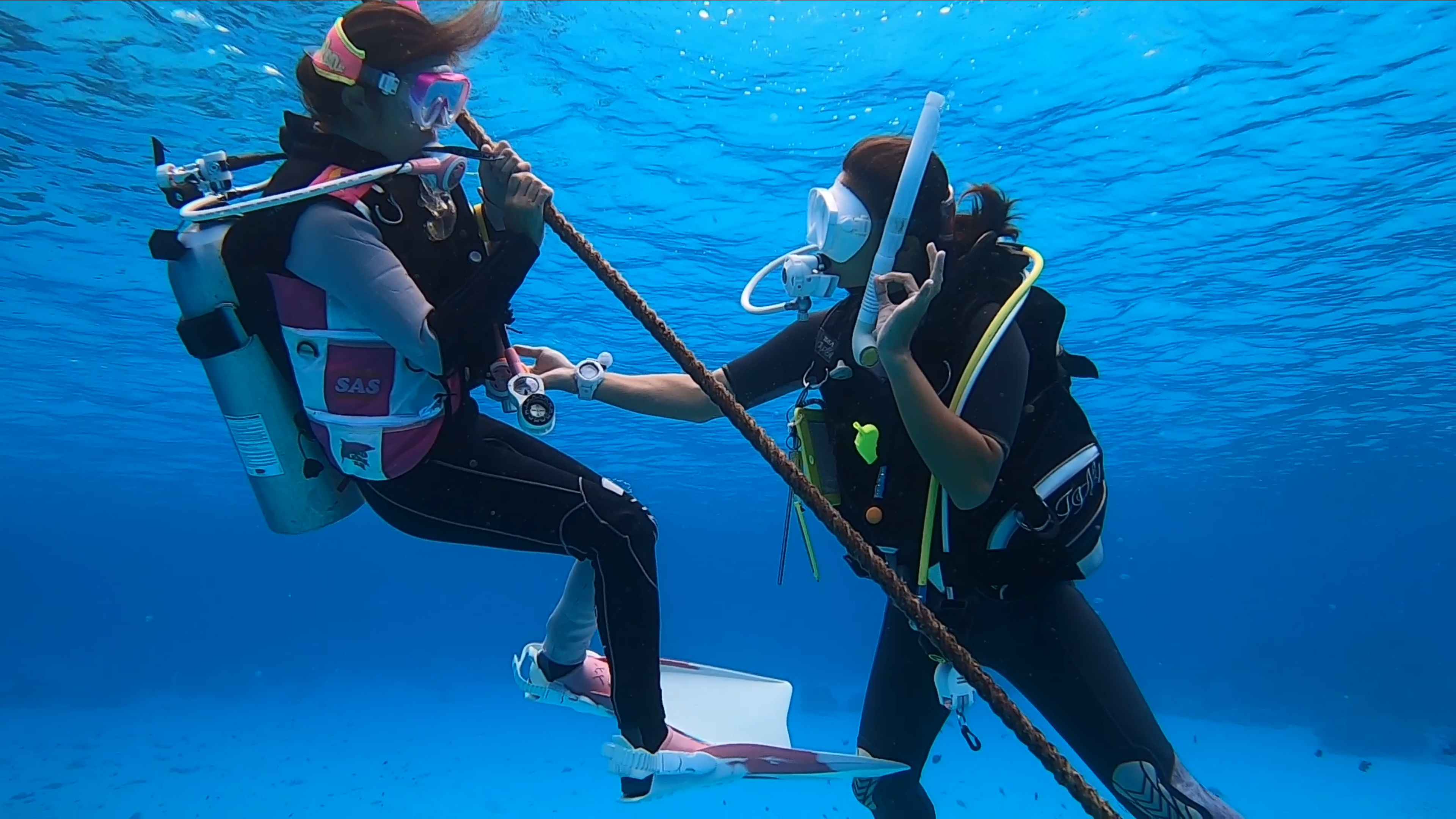
Your guide briefs the dive plan in Japanese and English—maximum depth fourteen meters, turtle cleaning station at the mooring buoy, return route along the coral ridge. You step off the stern platform into water so clear the anchor chain remains visible thirty meters below. Descending the mooring line, you equalize twice before reaching the sandy bottom, where a green sea turtle the size of a truck tire hovers motionless above a coral head, its carapace encrusted with algae that a pair of surgeonfish methodically crop. You fin slowly along the reef slope, the coral forming layered terraces of purple staghorn and cream table coral, each outcrop sheltering filefish, damselfish, and banded shrimp whose antennae sweep the water column. At twelve meters your guide signals toward open water, where a school of bigeye trevally passes in formation, their silver flanks catching refracted sunlight. Ascending at the fifty-minute mark, you pause at five meters for the safety stop, suspended in blue emptiness while your computer counts down the final three minutes before surfacing beside the boat.
The primary operating hours are 08:00–19:00 daily, though boat departures for Kerama Islands diving typically occur in the morning. The best arrival window is between 08:00–15:00 for optimal daylight.
Single-use plastics and chemical sunscreens are prohibited to protect the environment. Carrying these items on a Kerama Islands diving tour is against local regulations.
The peak season for Kerama Islands diving runs from June to October when water clarity is at its highest. Winter is also popular for combining dives with whale watching.
Yes, underwater photography is highly encouraged during Kerama Islands diving excursions. Please ensure your camera is secured to prevent damage to the coral reefs.
For Kerama Islands scuba diving, wear a swimsuit under a 5mm neoprene wetsuit in summer, or a thicker suit in winter.
Most trips depart from Tomari Port in Naha. From there, vessels head straight to the premier sites selected for your Okinawa diving tour.
Children aged 10 and older can join introductory sessions. Younger kids are welcome to join the boat to watch or snorkel during the Kerama Islands diving tours.
Cancellations made 24 hours before departure receive a full refund of your Kerama Islands diving tickets, excluding minor local fees.
Yes, you can visit Nishibama Beach or Aharen Beach after completing your dives, as boats dock near these scenic points.
The general park entry fee is 0 JPY, but small environmental levies are usually added to your Kerama Islands diving tickets.